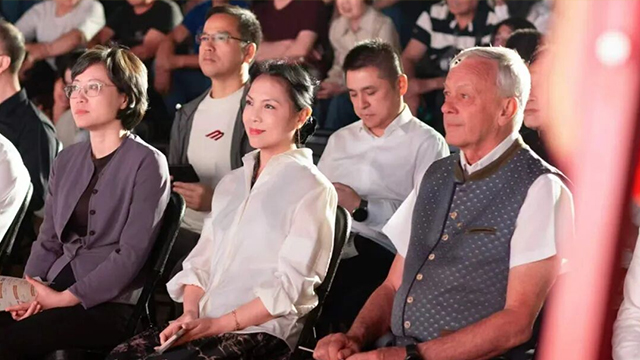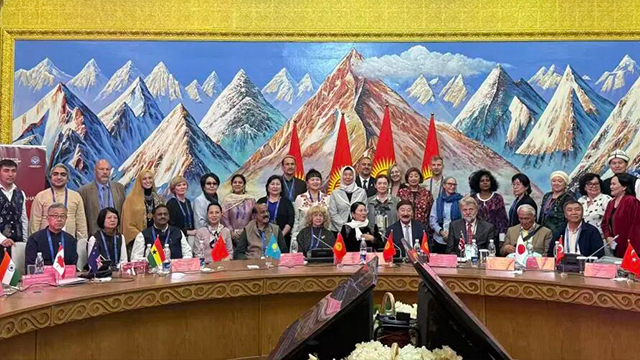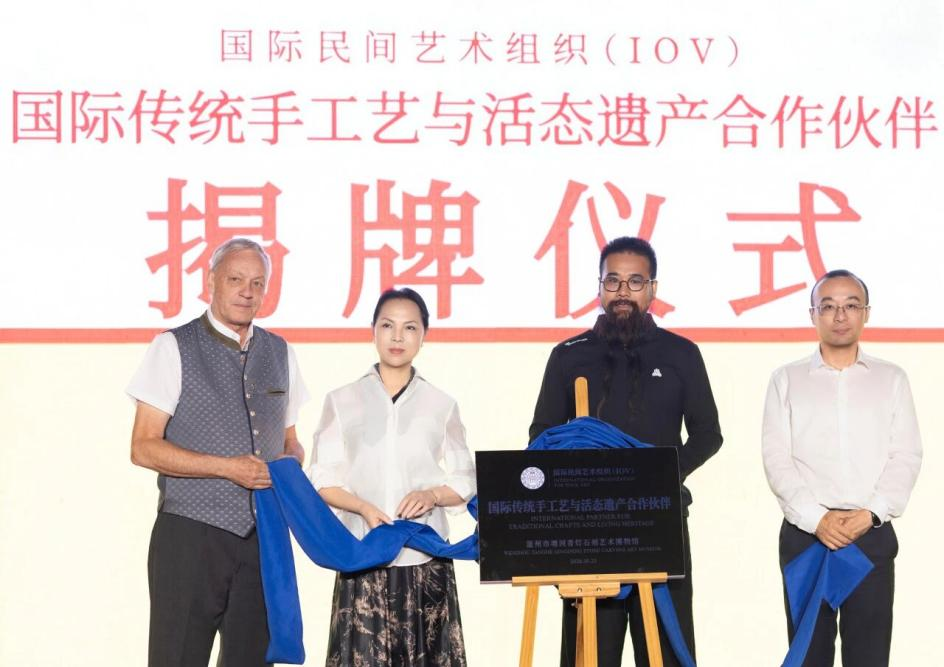
On October 27, 2026, the 2026 China Qingdeng Market National Aesthetics Conference (Autumn Session) opened in Wenzhou, Zhejiang, a coastal city in eastern China. At the opening ceremony, the International Organization of Folk Art (IOV) formally established a partnership with the Qingdeng International Art Community, making the latter IOV’s world’s first Partner for International Traditional Crafts and Living Heritage. Chen Ping, Global President of IOV, Günther Lippitz, Vice President of IOV, and Zhang Jincheng, Curator of the Qingdeng Stone Carving Art Museum and Founder of the Qingdeng Market, attended the plaque-awarding ceremony. This partnership connects the practical experience of local Chinese cultural institutions with the professional network of the International Organization of Folk Art. The two sides plan to carry out cooperation gradually in fields including the conservation and innovation of traditional crafts, international artist exchanges, young talent training, and cultural heritage research.
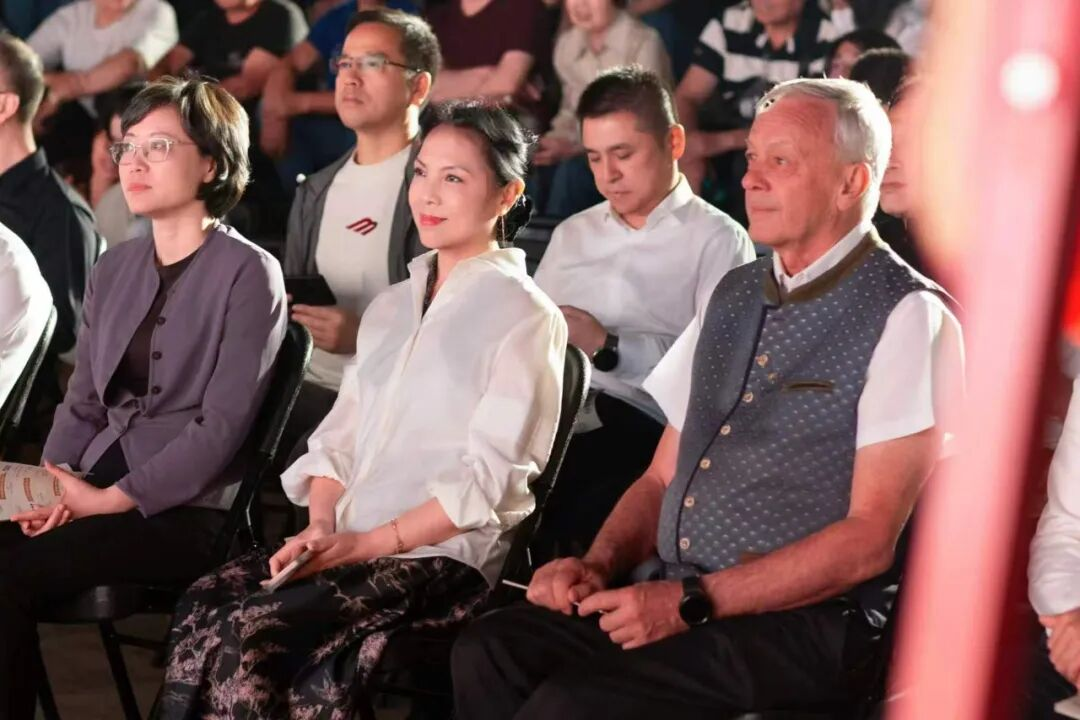
Wang Cailian, Director of the Publicity Department of Wenzhou Municipal Committee, Zhejiang Province, China (Left); Chen Ping, Global President of the International Organization of Folk Art (IOV) (Center); Günther Lippitz, Vice President of IOV (Right)
A New Practice of the International Organization of Folk Art (IOV) in Its Cooperation with China
The International Organization of Folk Art (IOV), founded in 1979, is an international non governmental organization in formal partnership with UNESCO. In 2010, IOV obtained the status of a consultative non governmental organization for the Intergovernmental Committee of the Convention for the Safeguarding of the Intangible Cultural Heritage. In 2012, it was granted Special Consultative Status with the United Nations Economic and Social Council.
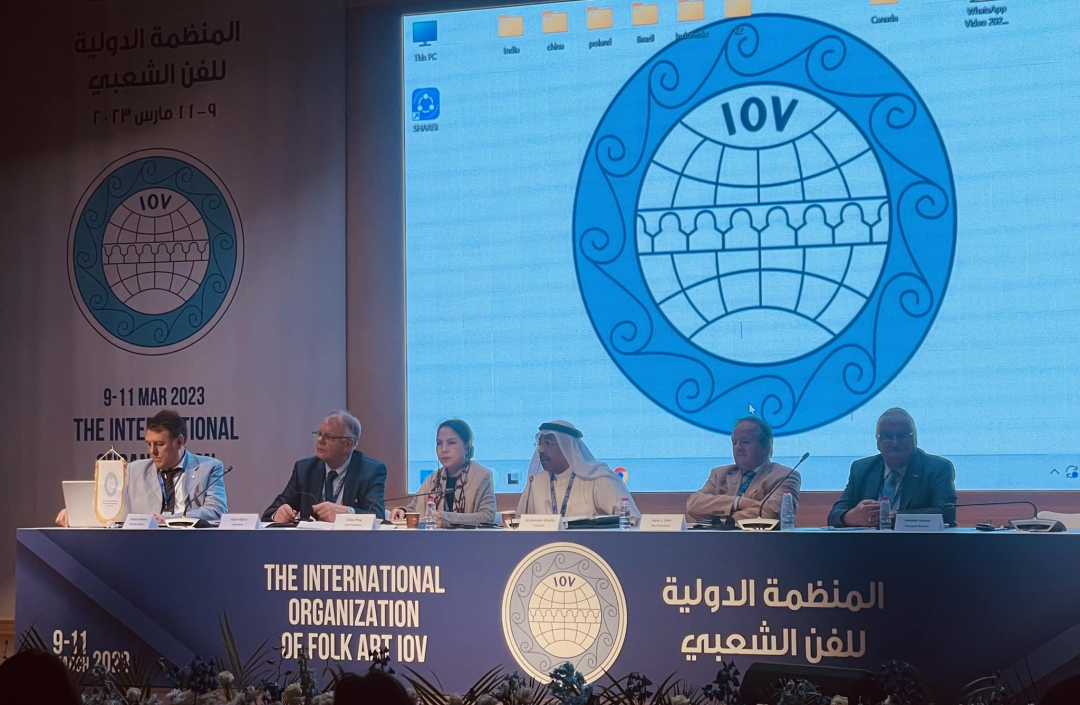
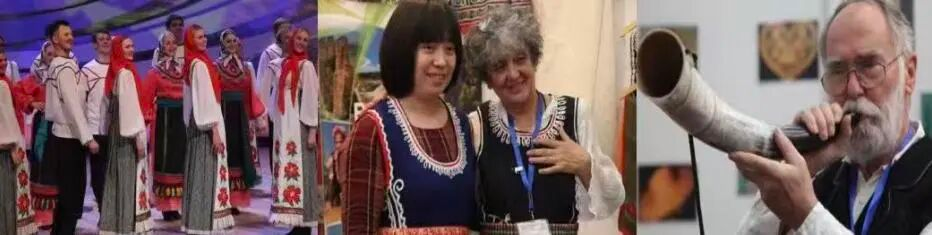
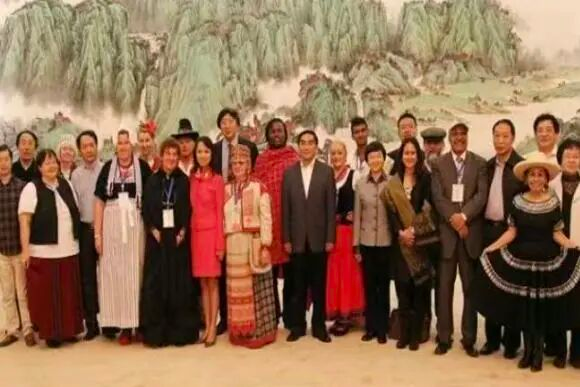
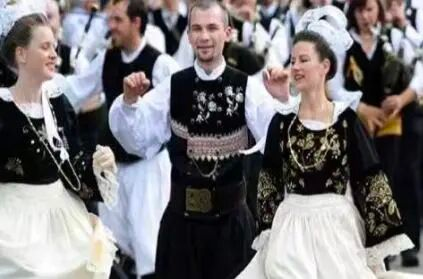
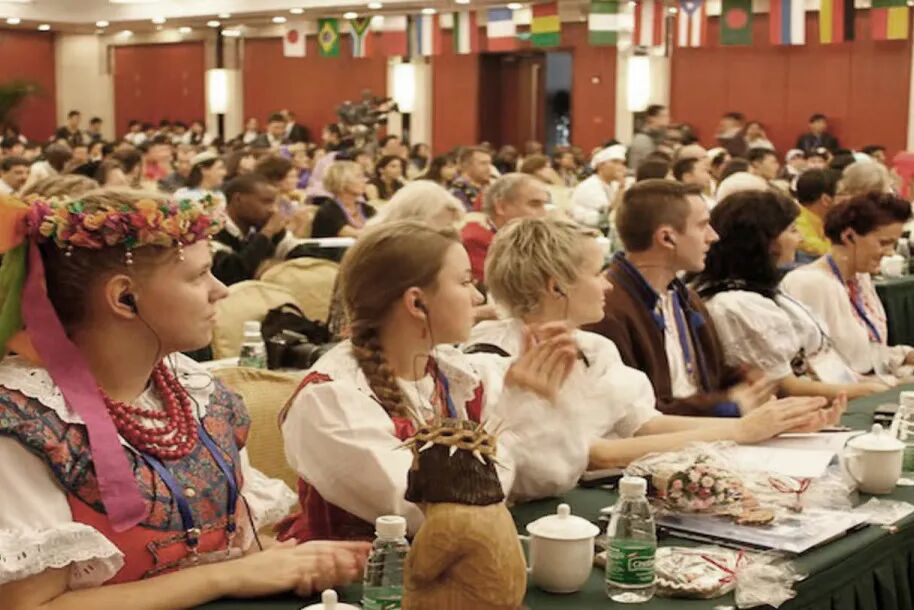
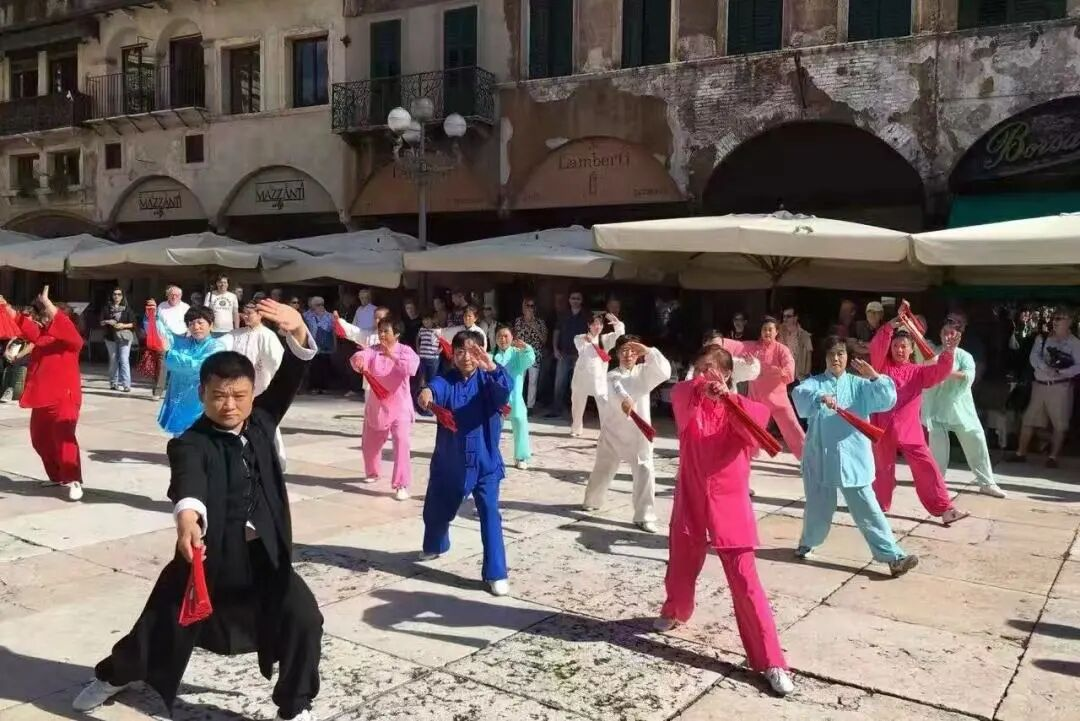
International Organization of Folk Art: Building Bridges of Friendship Through Folk Art
For nearly half a century, IOV has promoted folk art festivals, traditional craft exhibitions, academic research, cultural education and people-to-people exchanges through its membership and partnership networks spanning numerous countries and regions across the globe. Its work focuses not merely on the staged presentation of traditional arts, but also on the continuity of cultural traditions within community life and the active participation of folk artists and craftspeople. Unlike many international folk art exchanges that mainly take the form of festivals, IOV has in recent years explored ways to strengthen ties with museums, cultural communities, educational institutions and practical platforms for traditional crafts, so as to establish a more stable foundation for international cultural cooperation.
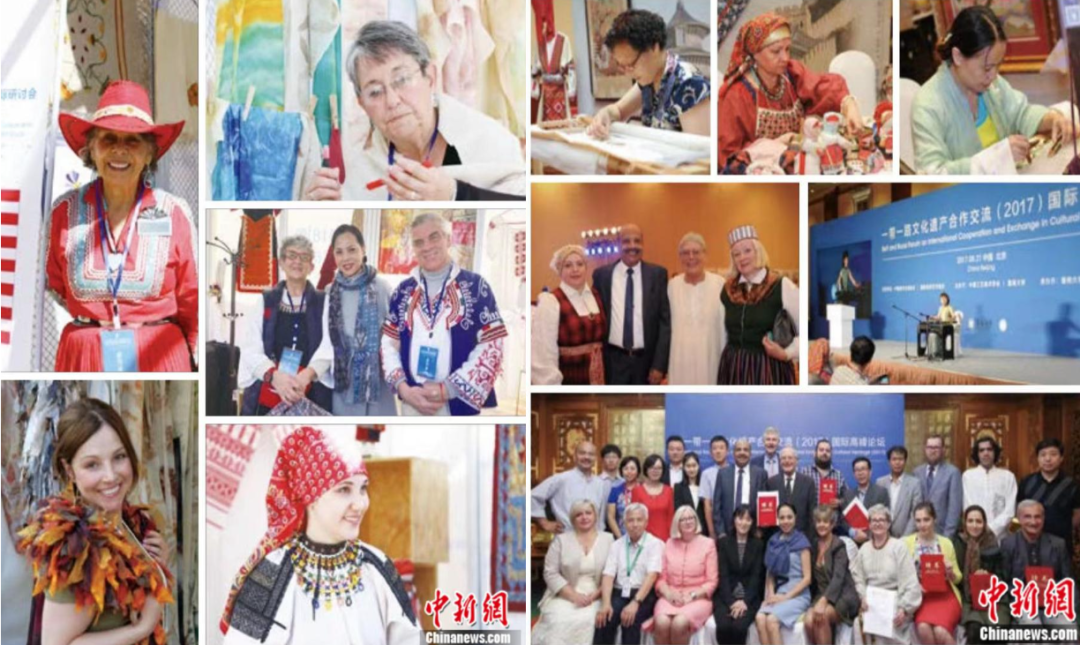
IOV promotes folk art festivals, traditional craft exhibitions, academic research, cultural education and people-to-people exchanges via its membership and partnership networks across many countries and regions worldwide.
China and IOV share a long history of exchanges. Over the years, Chinese folk artists, craftspeople and cultural researchers have taken part in IOV activities through international festivals, exhibitions and academic exchanges. China’s experience in safeguarding traditional crafts has gradually gained recognition among international peers. In October 2025, Chen Ping, a Chinese scholar and professor at Jinan University who has long been engaged in IOV international affairs, assumed the office of IOV Global President. She also holds the UNESCO Chair on ‘World Traditional Crafts: Inheritance and Innovation’, and has consistently advanced research on Chinese traditional crafts, youth education and international cultural exchange. Facilitating this partnership between IOV and Qingdeng is a concrete initiative that connects the international organization’s collaborative network with local cultural practices in China.
Six Years of Development
Qingdeng Has Forged a Distinctive Cultural Space
Launched in 2020, China’s Qingdeng Market has grown steadily based on the Qingdeng Stone Carving Art Museum in Wenzhou. Over six years, Qingdeng has evolved from a market gathering craftspeople, artists and designers into a cultural platform integrating traditional crafts, original design, public education, art exhibitions and cultural consumption. According to public reports from April 2026, the previous 11 sessions of Qingdeng Market had attracted more than five million visitors in total, with transaction volume exceeding 400 million RMB. Qingdeng has received provincial recognitions for cultural tourism integration and cultural industry development in Zhejiang Province, and become an influential cultural event brand in Wenzhou.
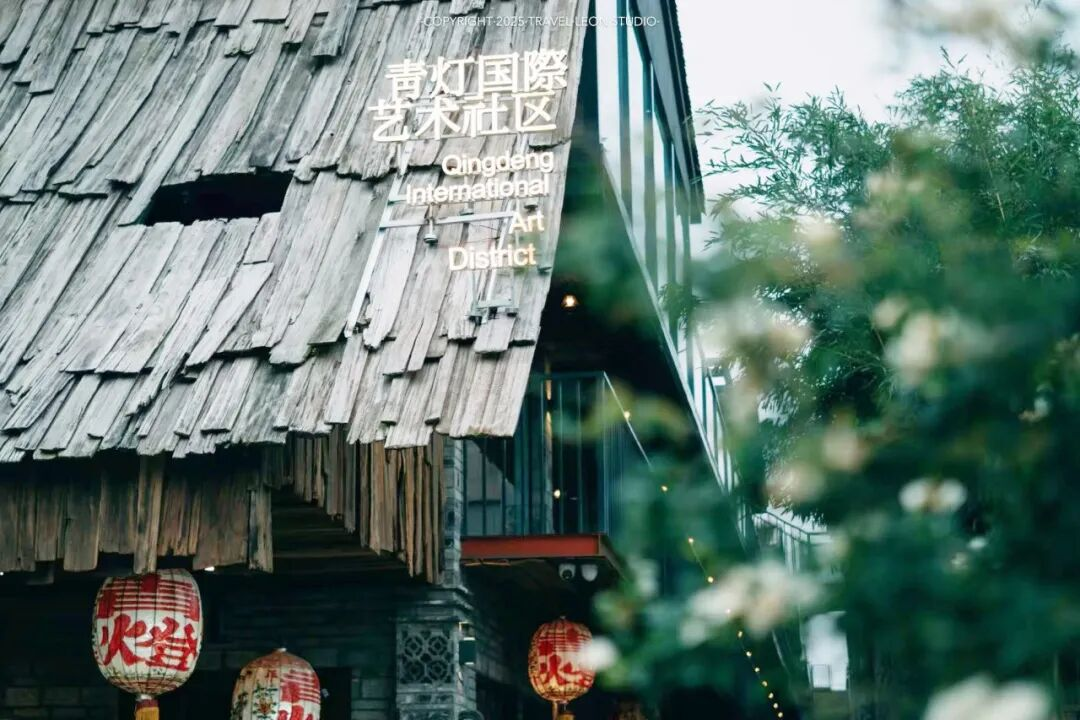
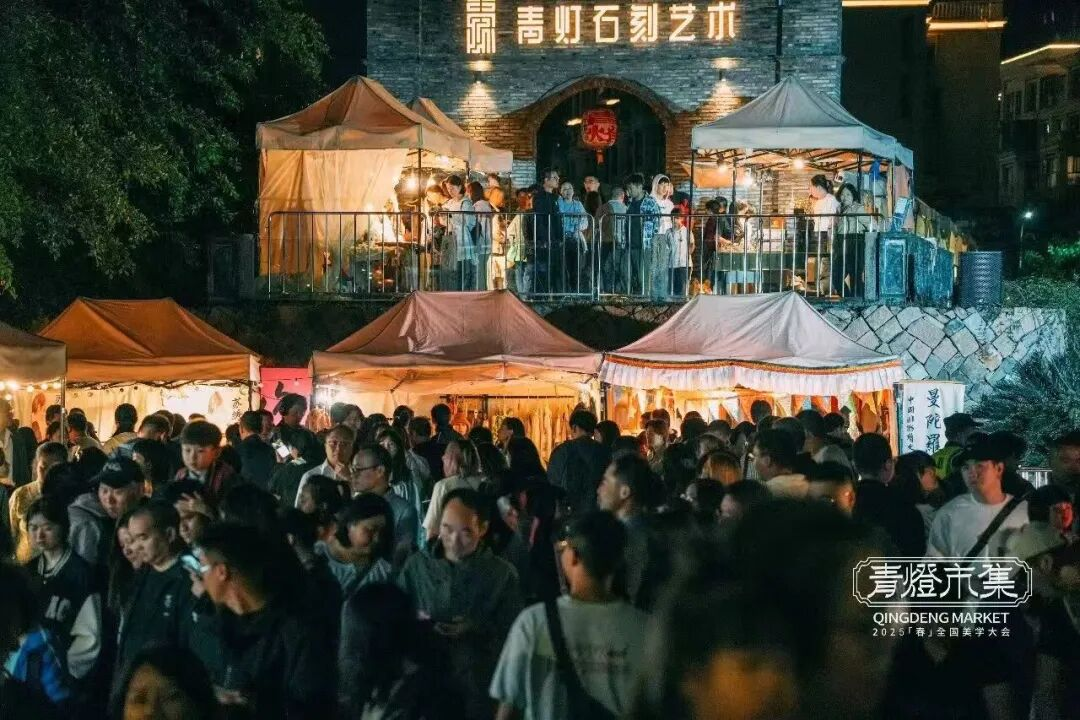
Qingdeng International Art Community and Qingdeng Market
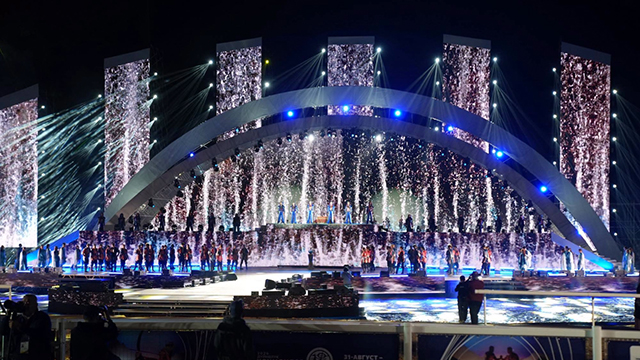
The 2026 Autumn Qingdeng Market adopted the theme ‘Drama at Qingdeng, One Voice for the World’. It brought together over 1,000 vendors from around the globe and more than 1,500 brands, exhibiting over 280,000 artworks and commodities. Traditional crafts, object design, Song Yuan Nanxi (Southern Opera), world music, tea culture and youth creations jointly formed the cultural programme of this market session.
Unlike ordinary commercial markets, Qingdeng is distinguished by the integration of museum, market and art community. The Qingdeng Stone Carving Art Museum provides a foundation for the collection, display and research of traditional crafts; the market offers craftspeople opportunities for direct public engagement and trade; the developing Qingdeng International Art Community seeks to extend the biannual spring and autumn market events into an ongoing cultural space through regular exhibitions, artistic creation and public cultural activities. This practice frees traditional crafts from confinement within museum showcases or short term exhibitions, linking them to contemporary life through creation, display, use and trade.
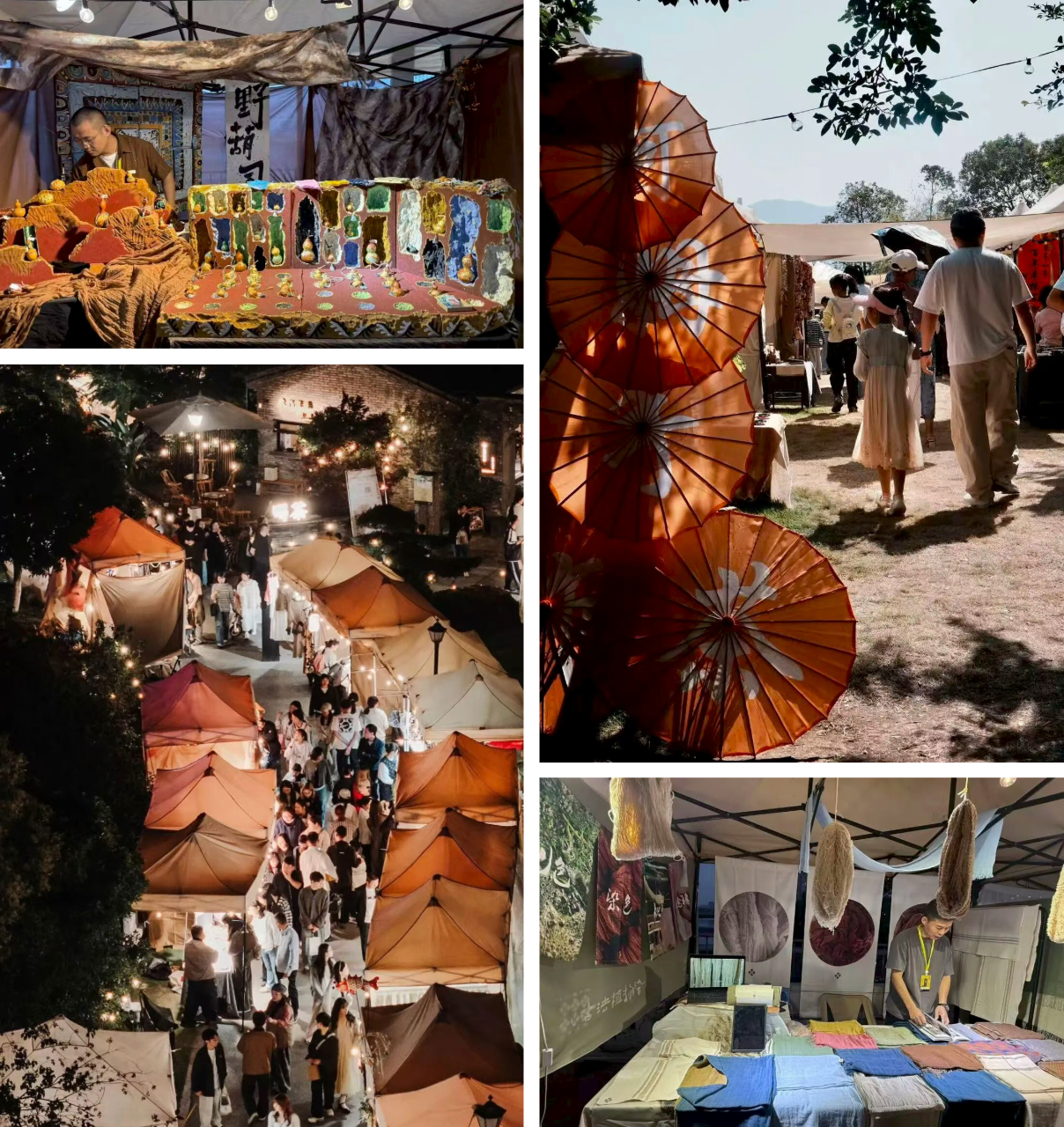
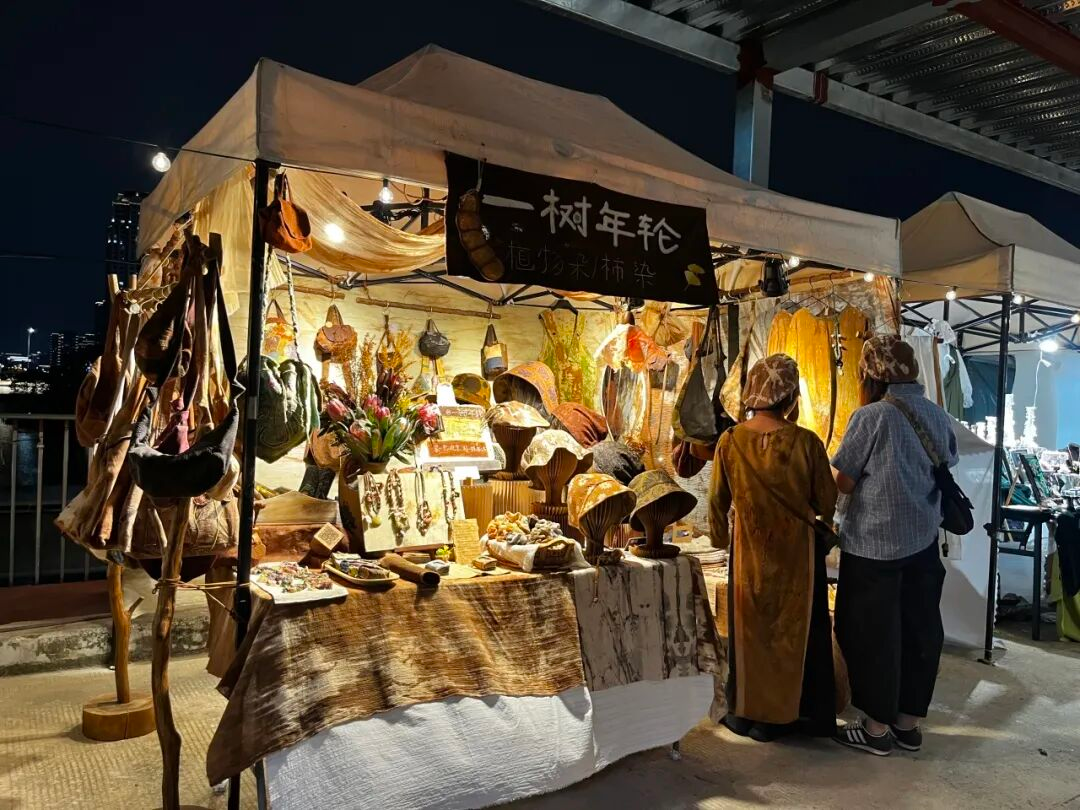
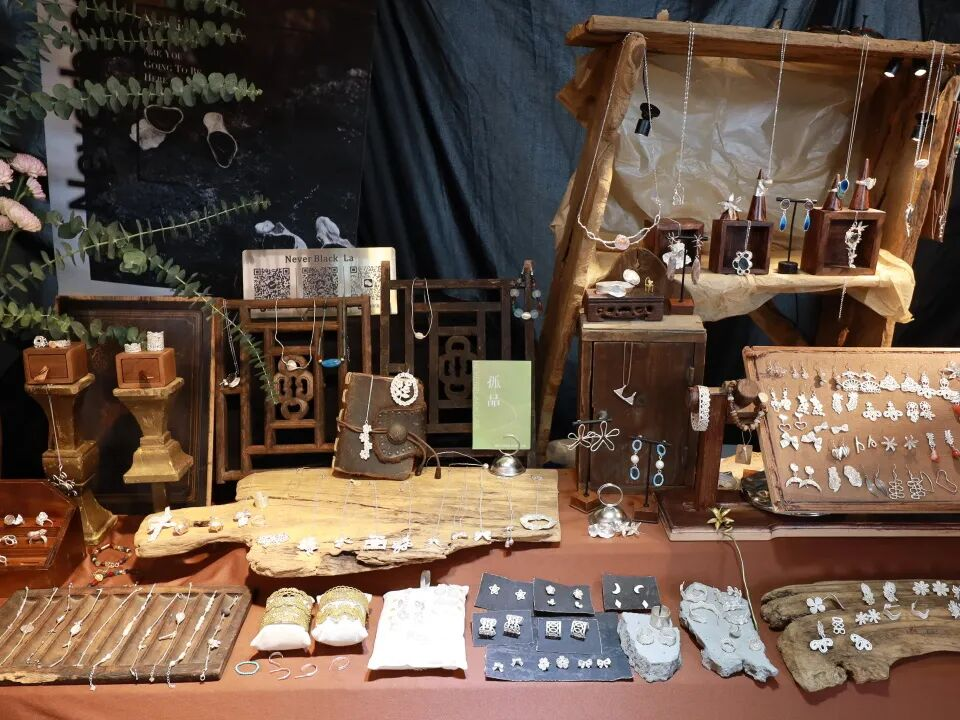
Qingdeng Market
How International Cooperation Moves Deeper
In September this year, Chen Ping, Global President of IOV, visited the Qingdeng International Art Community and discussed traditional craft exchanges, international collaboration and future development with the Qingdeng team. The plaque-awarding ceremony on 27 October marked the official launch of their partnership. This cooperation is grounded both in the mature cultural space and market operation experience built by Qingdeng, and in the long-standing international folk art resources accumulated by IOV. Drawing on Qingdeng’s existing museum, art community and market platforms, the two sides initially plan to roll out programmes including international traditional craft exhibitions, reciprocal visits by artists and craftspeople, professional workshops, cultural heritage research and youth exchanges. Elevating the professional standard of traditional craft presentation will also be a key focus for both parties.
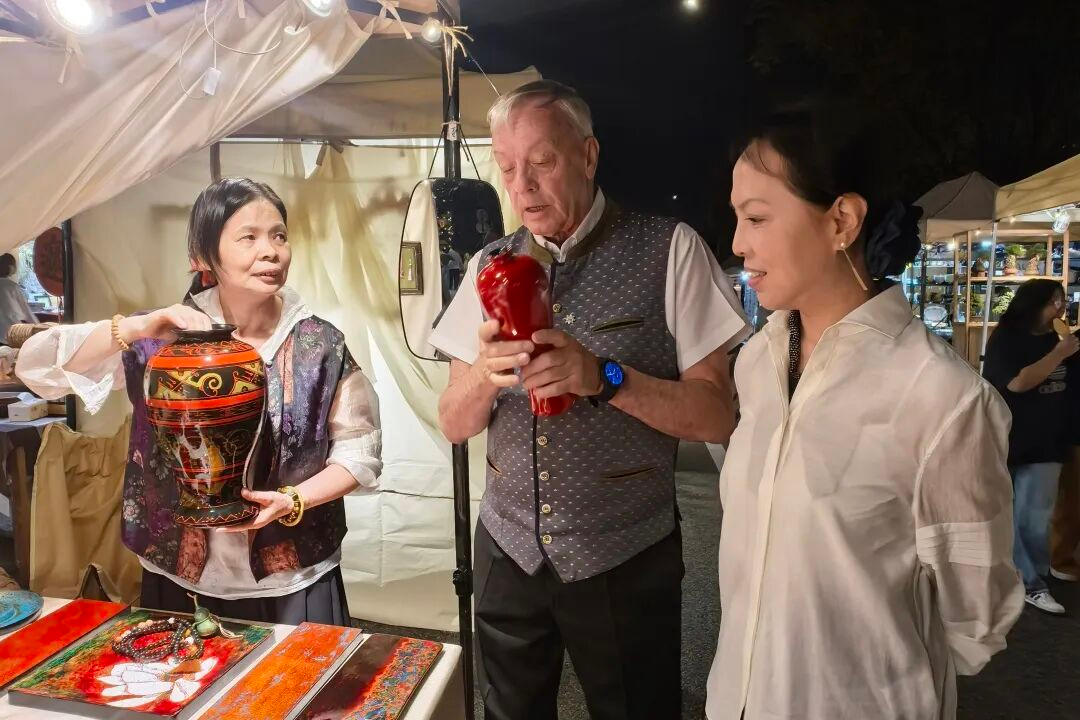
Chen Ping and Günther Lippitz in conversation with craftspeople
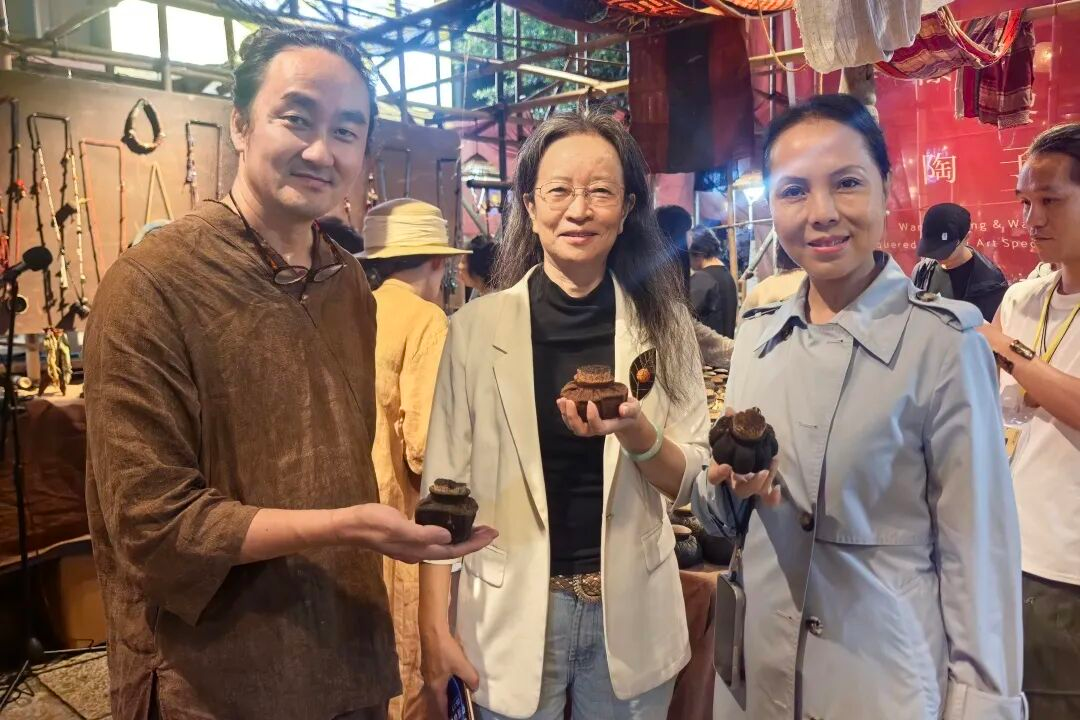
Visiting Craftspeople at Qingdeng Market.Left: Wang Boyang, Inheritor of Guangxi Intangible Cultural Heritage Lacquerware and Pomelo-wood Craft, China Centre: Dong Hongmei, Director of the China Urban and Traditional Architecture Conservation Committee and Former Director of the Assistance Office of the Ministry of Housing and Urban-Rural Development Right: Chen Ping
Internationally, platforms such as the Santa Fe International Folk Art Market in the United States, Collect Art Fair in the United Kingdom and Homo Faber exhibition in Italy have built up experience in traditional craft presentation, professional selection, market development and cultural communication. These diverse practices demonstrate that the long term impact of craft events depends not only on the scale of participation, but also strongly on the quality of works, cultural interpretation and professional services. Qingdeng has developed an extensive network of vendors, creators and public participants. How to further refine its professional mechanisms through international cooperation and help outstanding craftspeople connect with international peers and markets will be critical to sustaining meaningful outcomes from this partnership. For IOV, its collaboration with Qingdeng also enables international exchanges to take deeper root within local Chinese cultural spaces, rather than remaining limited to large conferences, art festivals or short term performances and displays.
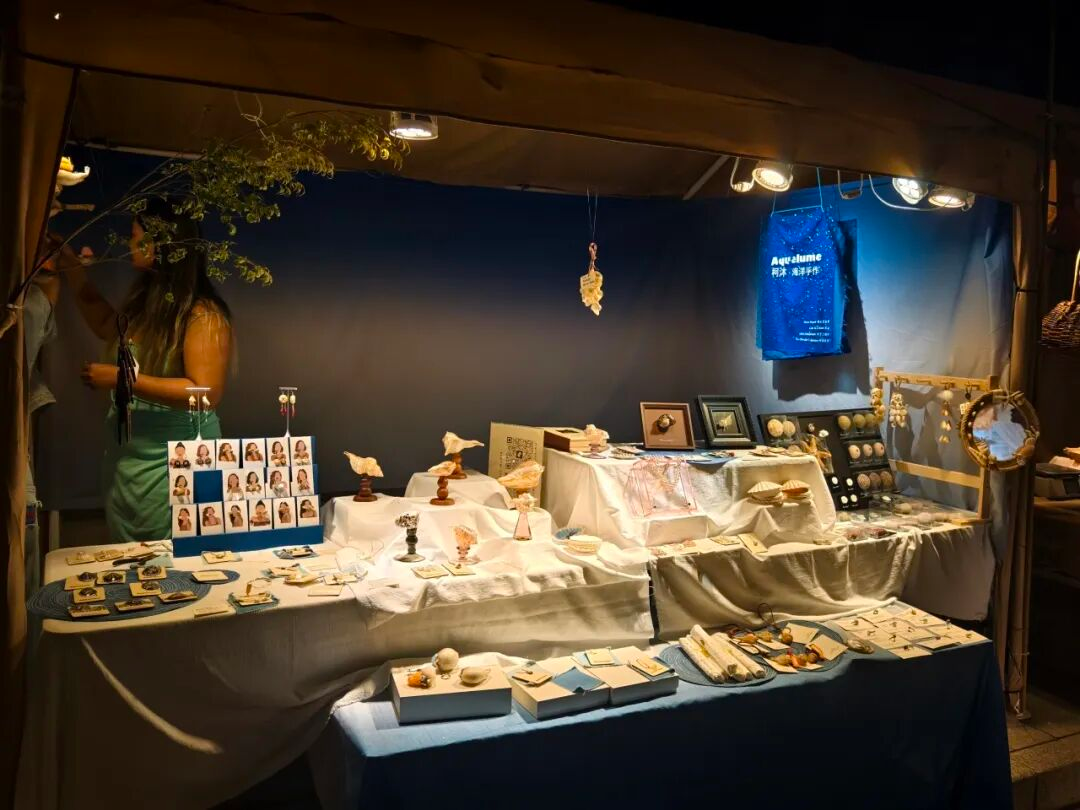
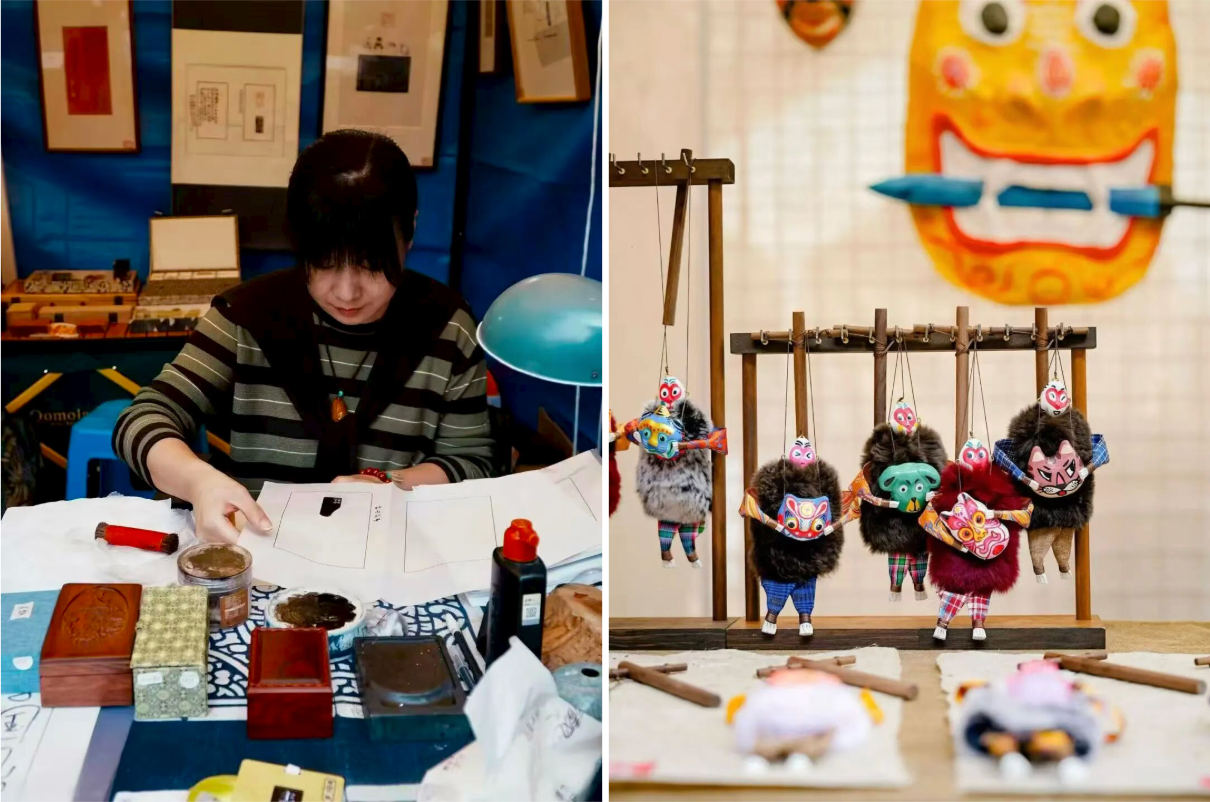
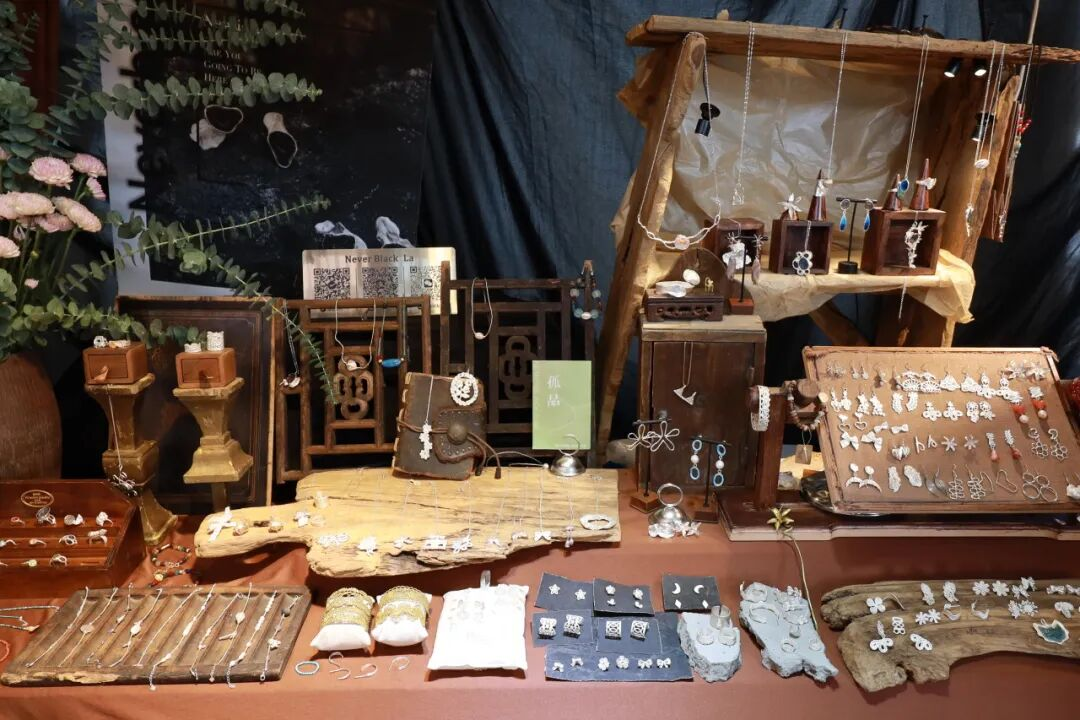
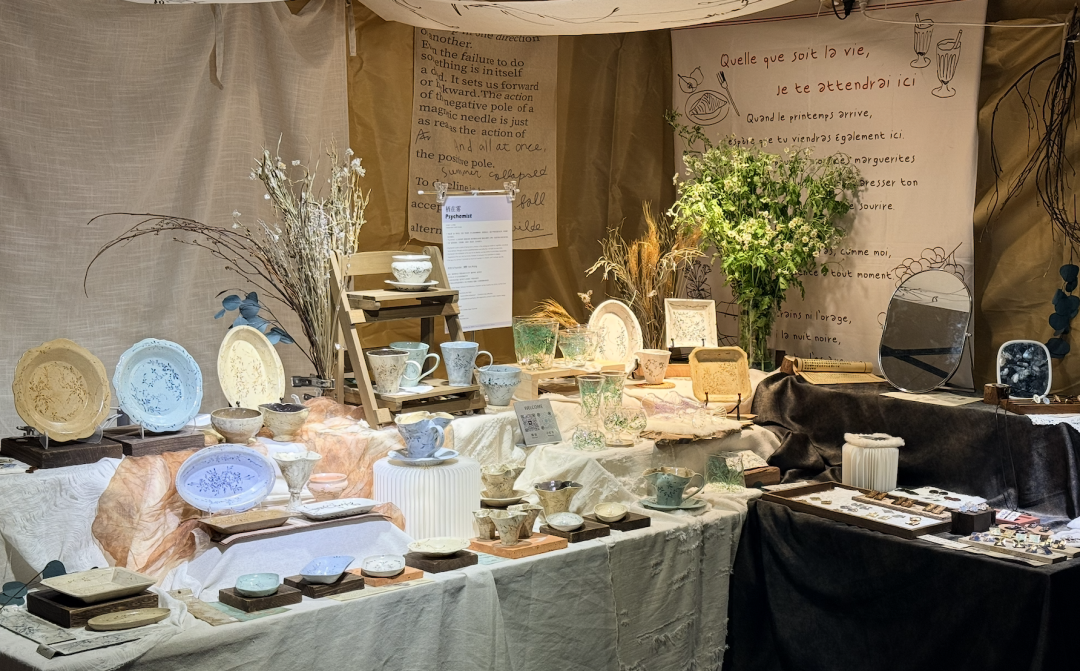
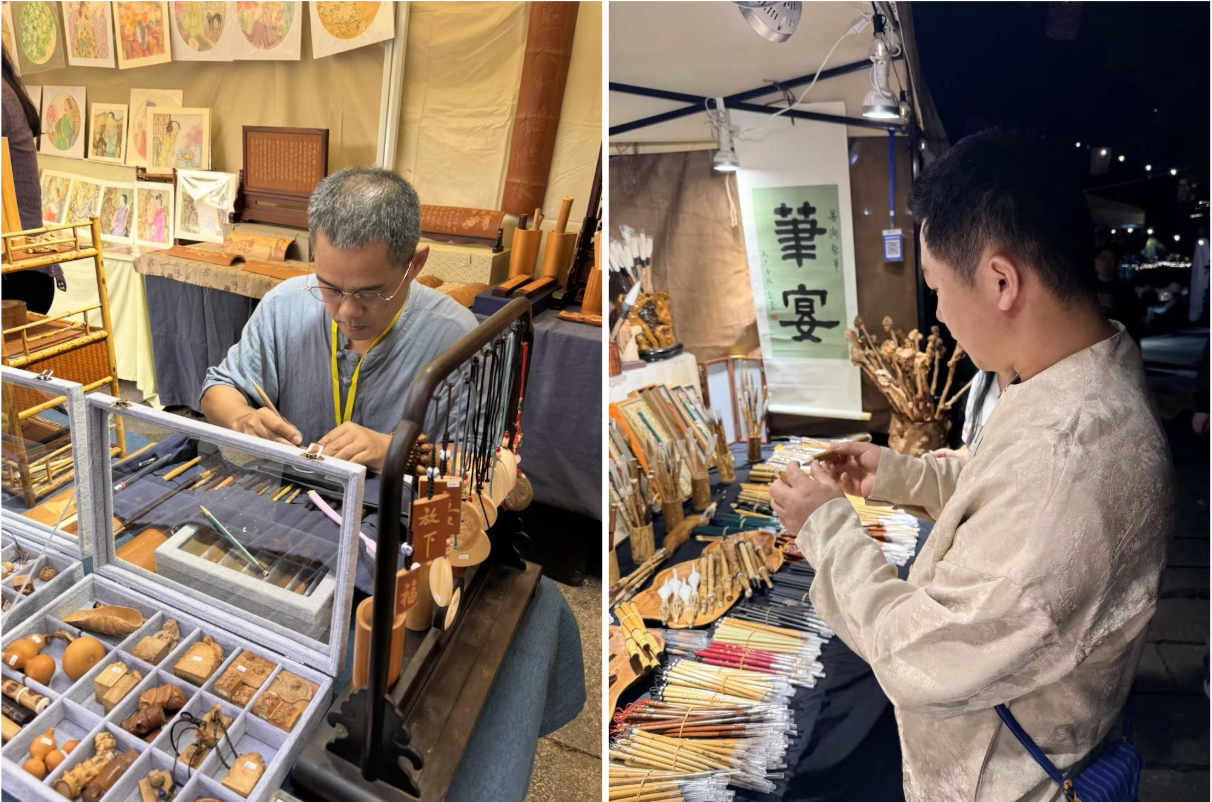
Qingdeng Market and the Craftspeople
Bringing Young People into the Field of Traditional Crafts
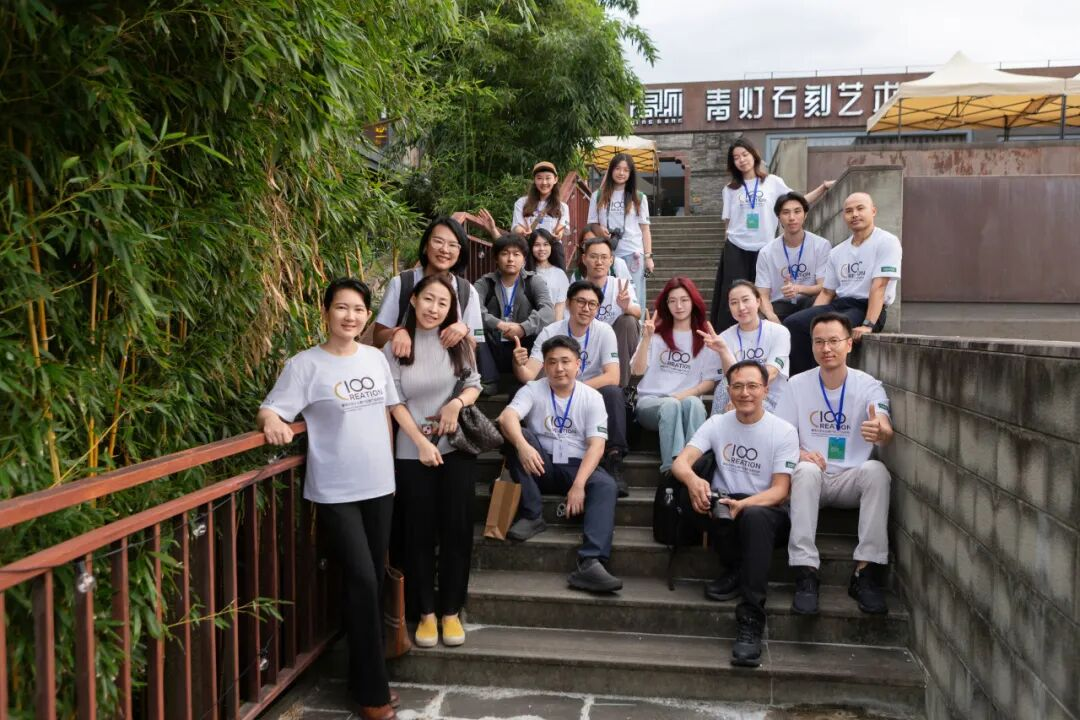
During this Qingdeng Market, the 7th Guangdong-Hong Kong-Macao Greater Bay Area Youth Creative Design (Creative 100) Talent Training Programme carried out practical teaching in Wenzhou. The programme was organised by the Institute of Cultural Heritage and Creative Industries, Jinan University, funded by the Beijing Tan Kah Kee Foundation, supported by the China National Arts and Crafts Society, and academically endorsed by the UNESCO Chair on ‘World Traditional Crafts: Inheritance and Innovation’.
Since 2020, the Beijing Tan Kah Kee Foundation has funded the Guangdong-Hong Kong-Macao Greater Bay Area Youth Creative Design (Creative 100) Talent Training Programme devised by the Institute of Cultural Heritage and Creative Industries, Jinan University. This marks its seventh year running. In 2023, ‘Creative 100’ gained support from the UNESCO Chair on World Traditional Crafts: Inheritance and Innovation and became a youth initiative under the auspices of this Chair.

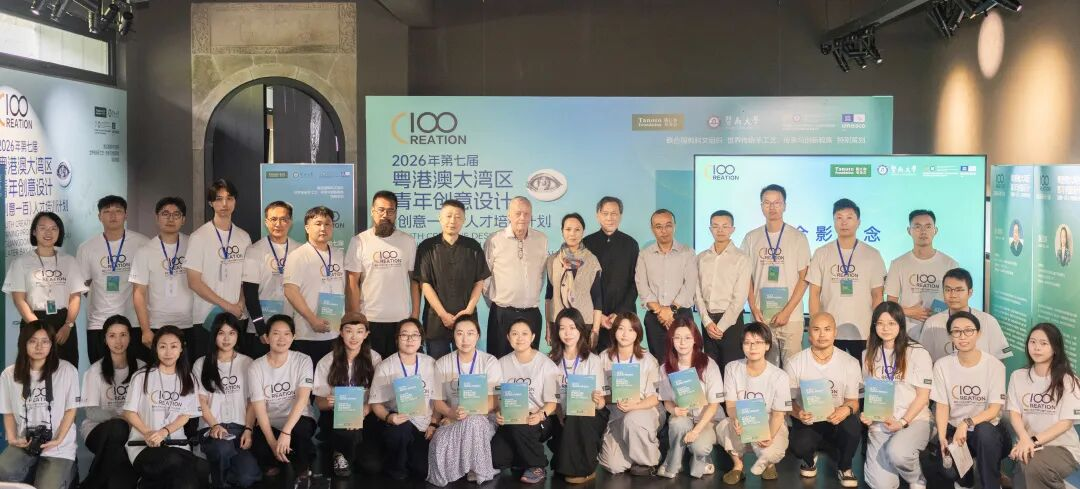
The 2026 7th Guangdong-Hong Kong-Macao Greater Bay Area Youth Creative Design (Creative 100) Talent Training Programme was successfully held at the Qingdeng Stone Carving Art Museum in Wenzhou.
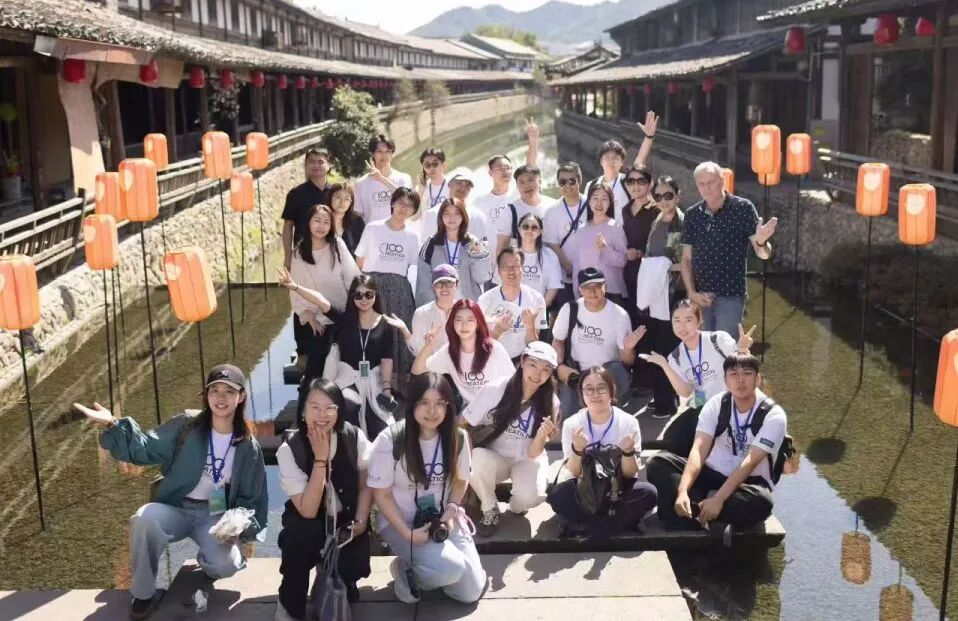
2026 (Creative 100) Participants Conduct Fieldwork in Wenzhou
Twenty-two young participants from diverse academic backgrounds took the Qingdeng Market as their fieldwork site. They exchanged ideas with craftspeople, exhibitors and cultural practitioners, observing market operations, traditional craft presentations and public engagement. Unlike conventional design training programmes that focus primarily on product development, this edition of ‘Creative 100’ prioritises investigation and understanding of real-world cultural contexts. Through observation and discussion, participants explored how traditional skills can integrate into contemporary life and what support young creators can offer to sustain traditional crafts. This practice also offers a reference for future international youth education cooperation between IOV and Qingdeng. Through partnerships among universities, cultural institutions and the international folk art network, young people from different countries will have the opportunity to jointly engage in traditional craft research, community-based learning and cross-cultural exchange.
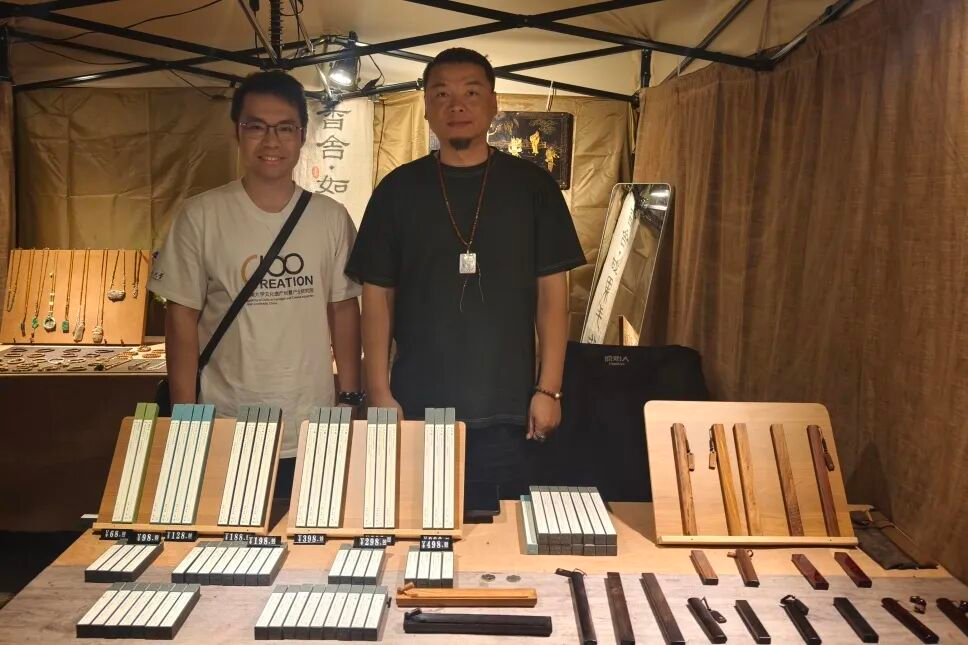
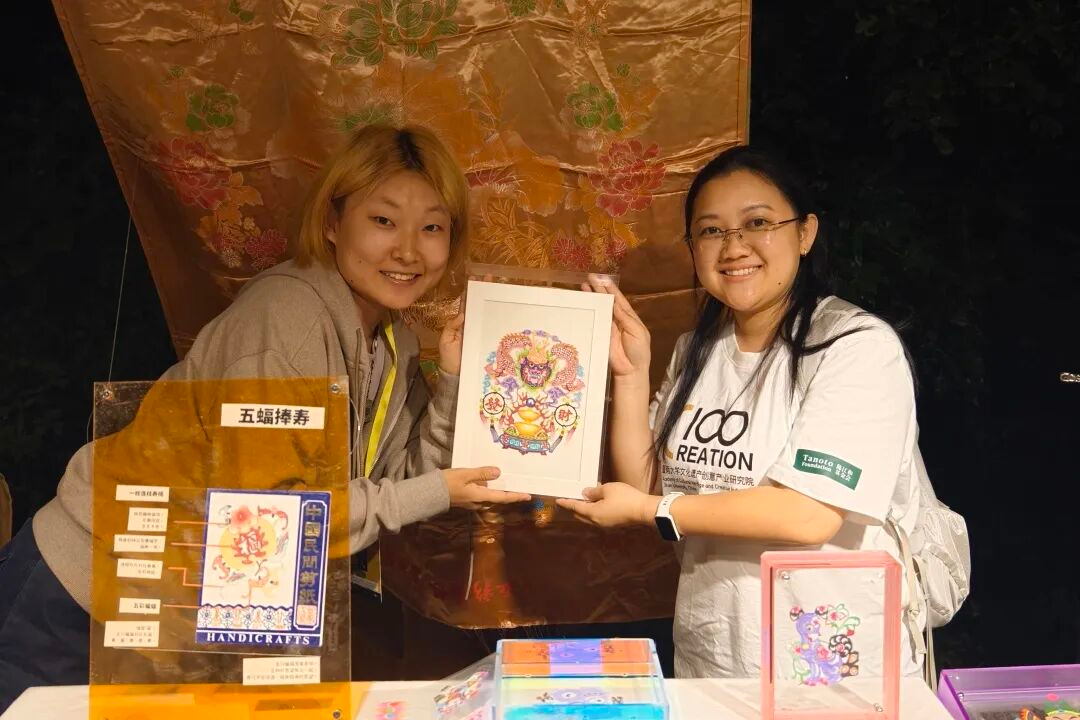
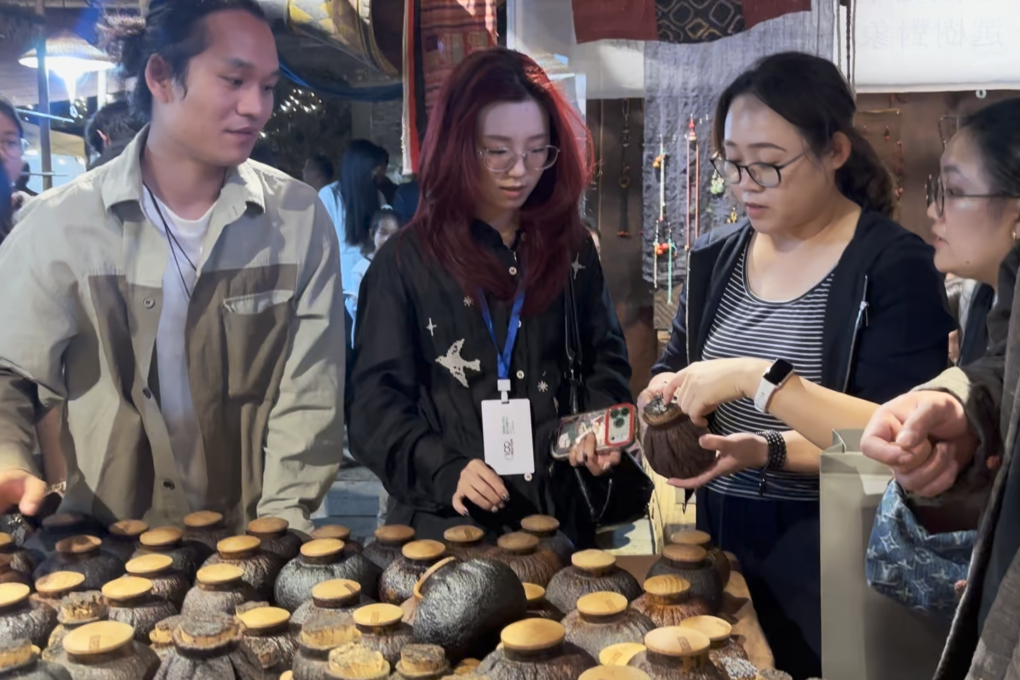
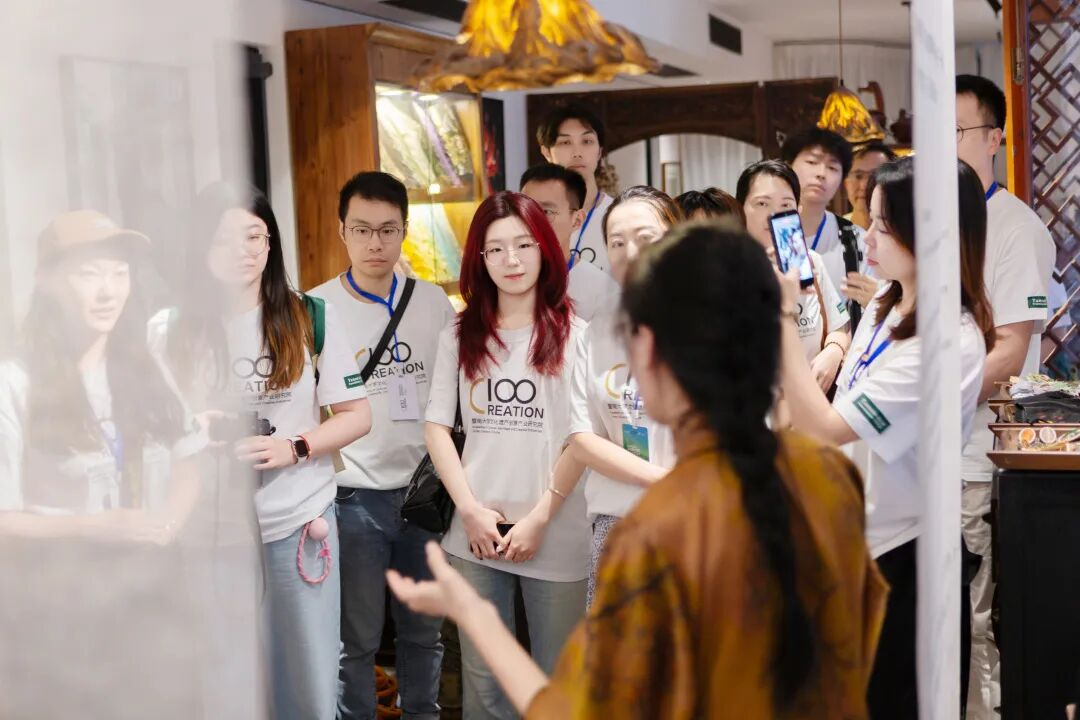
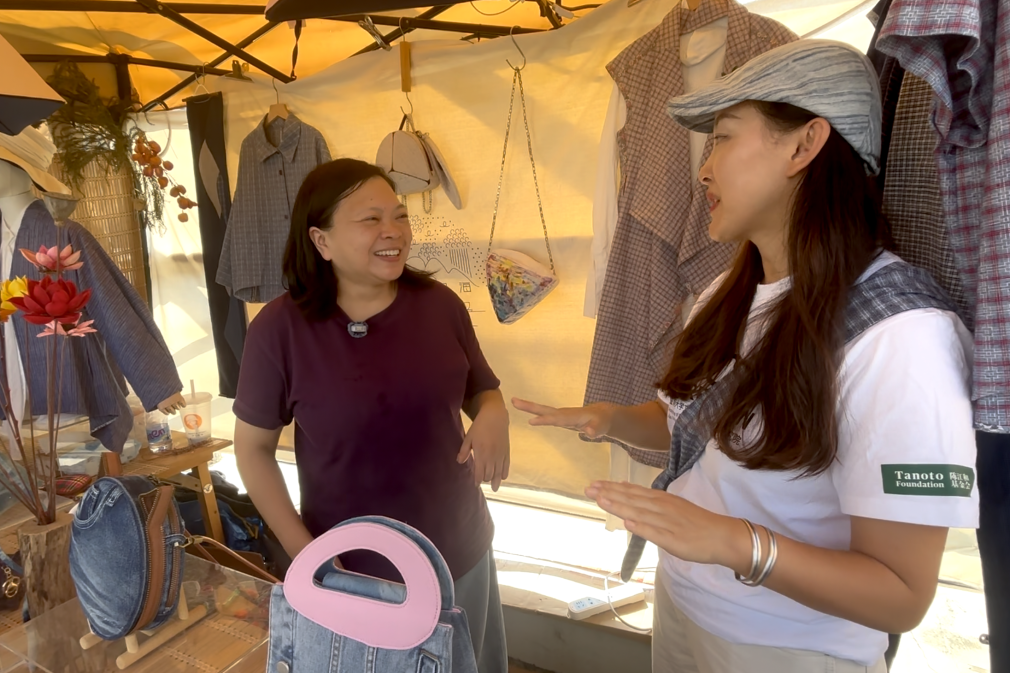
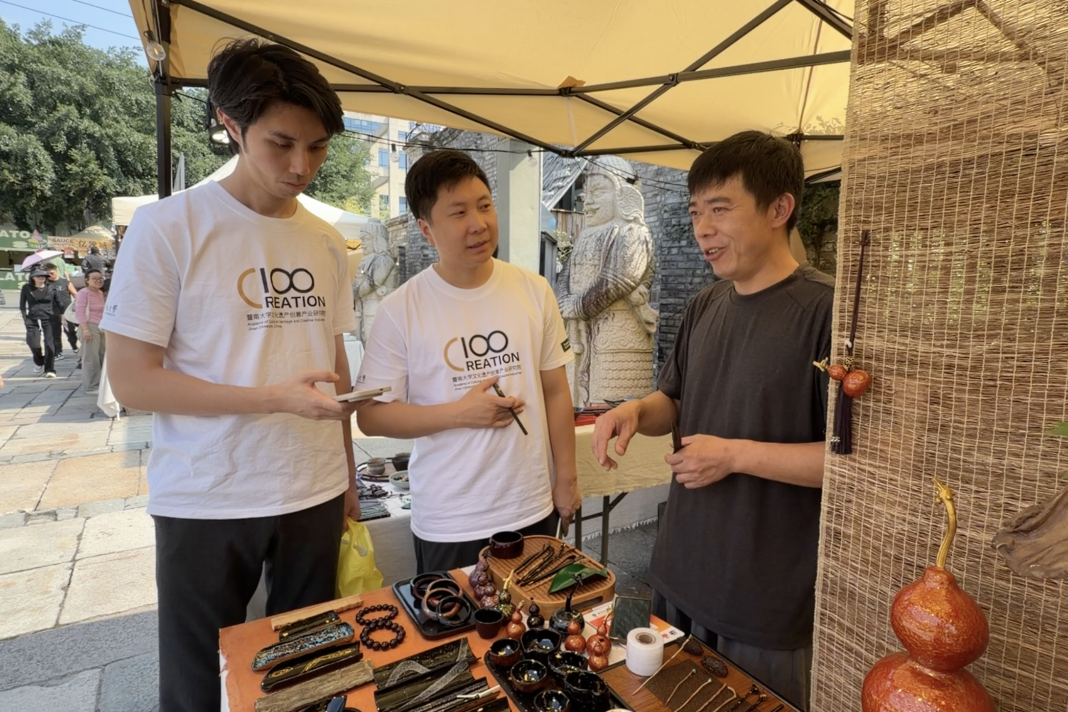
2026 (Creative 100) Participants Conduct Research at Qingdeng Market
From Partnership to Sustained Programmes
In recent years, alongside growing awareness for the safeguarding of traditional culture, a host of cultural initiatives have emerged across China rooted in private museums, traditional craft studios, cultural markets and art communities. While preserving local cultural memory, these institutions are exploring ways for traditional crafts to forge closer ties with contemporary society.
Qingdeng’s six year development offers a noteworthy case for this exploration. The partnership established between IOV and Qingdeng does not mean all international collaborative programmes are already underway. The two sides still need to negotiate further on specific projects, resource allocation, professional division of labour and implementation modalities. Nevertheless, this cooperation has created new channels for local Chinese cultural institutions to engage in international folk art exchange. For traditional crafts, meaningful international collaboration is not merely about bringing works overseas. It also enables sustained exchanges among craftspeople, builds professional links between cultural organisations, and allows younger generations to recognise and understand cultural traditions from other countries through hands on practice. Connecting local cultural practice with the international folk art network, starting from Wenzhou’s museums, market and art community, remains a promising direction for this partnership to pursue.