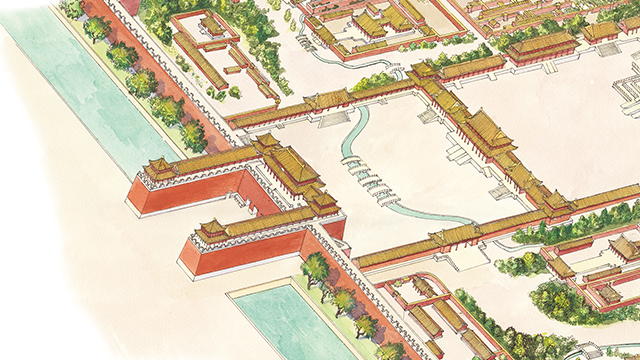
Beijing Forbidden City, the largest and most complete surviving palace complex in the world, was originally built in 1420, but not by the founding emperor. More than 1,000 kilometers away, there was already a capital and a royal palace. Do you know why the Beijing Palace was built? Let me share with you this scary, bloody story.
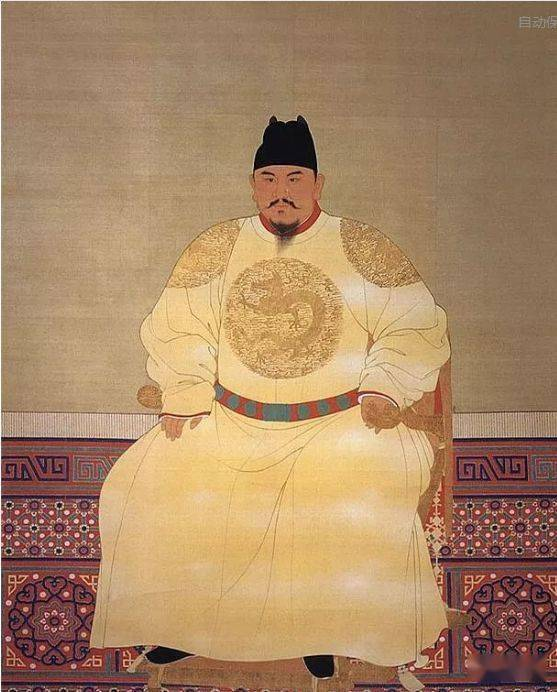
Portrait of the founding emperor of the Ming Dynasty, Zhu Yuanzhang (1368-1398).
China was then under the Ming Dynasty founded in 1368, which corresponded to the period before the Renaissance in Europe. The Ming Dynasty was preceded by the Yuan Dynasty, which was ruled by the Mongols. As the minority Mongols dominated the majority Han, resistance to the Yuan Dynasty always existed. A poor man named Zhu Yuanzhang joined an army against Mongol rule and later became its leader. His army not only overthrew the 97-year rule of the Mongols over the Han Chinese, but also defeated other forces against the Mongols during the period. Zhu Yuanzhang became emperor at the age of 40 and founded the Ming Dynasty with its capital settled down in Nanjing. Nanjing was on the south bank of the Yangtze River, 300 kilometers west of present-day Shanghai.
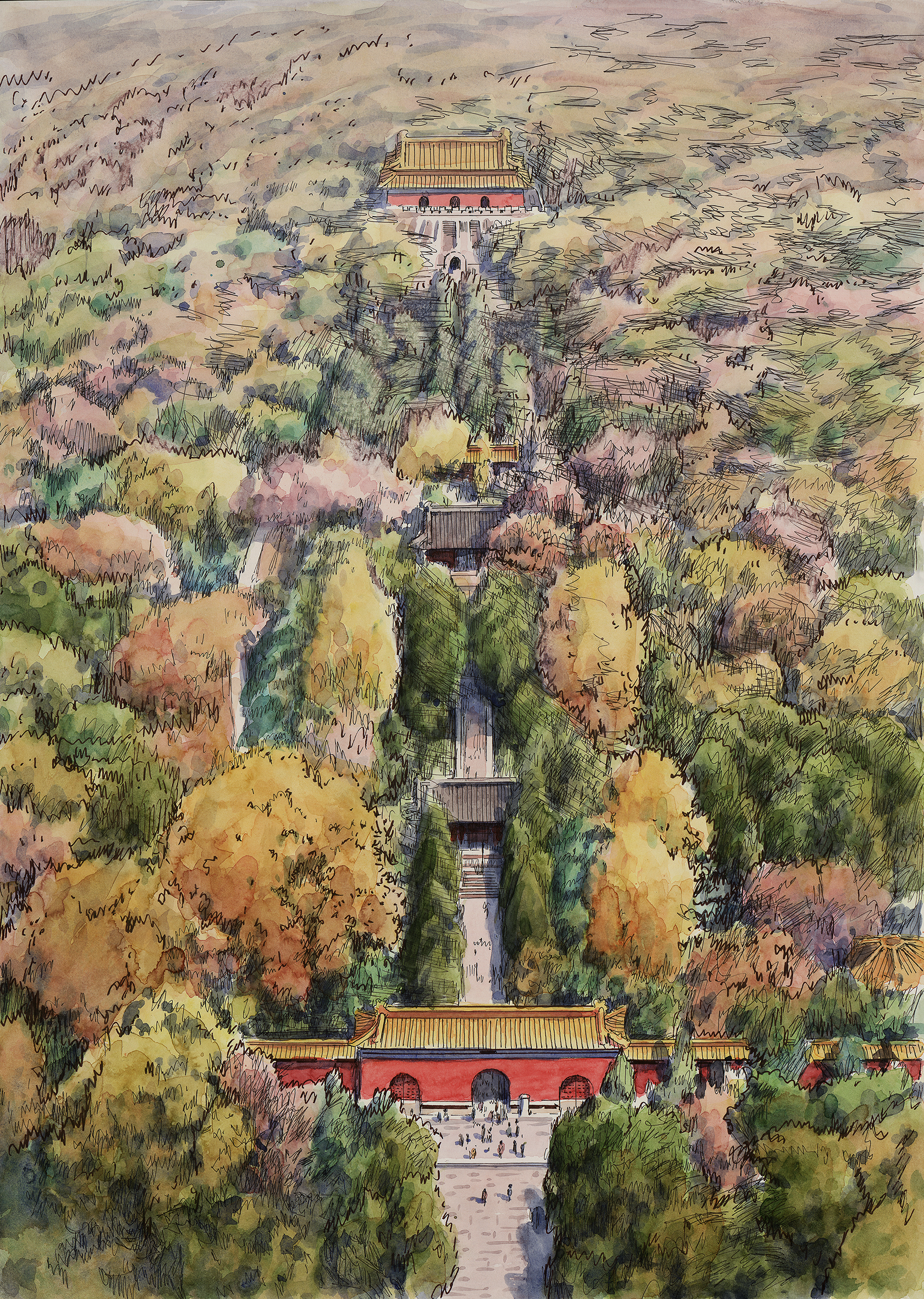
The tomb of the first emperor of the Ming Dynasty, Zhu Yuanzhang, is located in the city of Nanjing on the banks of the Yangtze River.
The old emperor was very poor as a child, also the least educated emperor in Chinese history. People without education often have cruel personalities. Fearing that some leaders of his own army would try to take his crown, he killed several outstanding generals on a variety of charges. For his twenty-six sons, except for a few who died in infancy, he sent twenty of them to different places as vassal kings to secure the rule of his family.
During his 30 years’ reign, his eldest son died first. He appointed his eldest grandson Zhu Yunwen to succeed him as emperor after his own death. Well educated the young emperor was quiet and kind to others. Ministers said that his uncles, who were vassal kings at difference places, would be an obstacle to his central rule. However, he could not remove the hidden danger with cruelty. Until he actually got the intelligence that the old emperor's second son and third son were plotting a coup, he took them back to Nanjing.
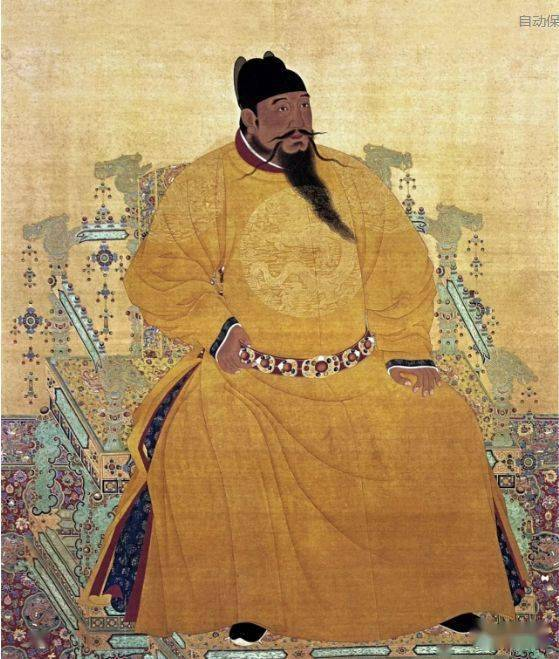
Prince Zhu Di (1368-1398) rebelled successfully and became an emperor.
The real danger was Zhu Di, the old emperor's fourth son, who was a vassal king stationed in Beijing. The fourth son guarded against the royal central strategy of eliminating all the vassal kings, planning to seize the regime from the royal central government. Many of the young emperor's ministers advised him to capture the king and arrange someone to assassinate the fourth son, thus safeguarding the security of the central government. However, the young emperor said, "the fourth son is my uncle. No one shall kill him." The young emperor's kind decision greatly sabotaged the subsequent war, because no one actually dared to fight against the fourth son.
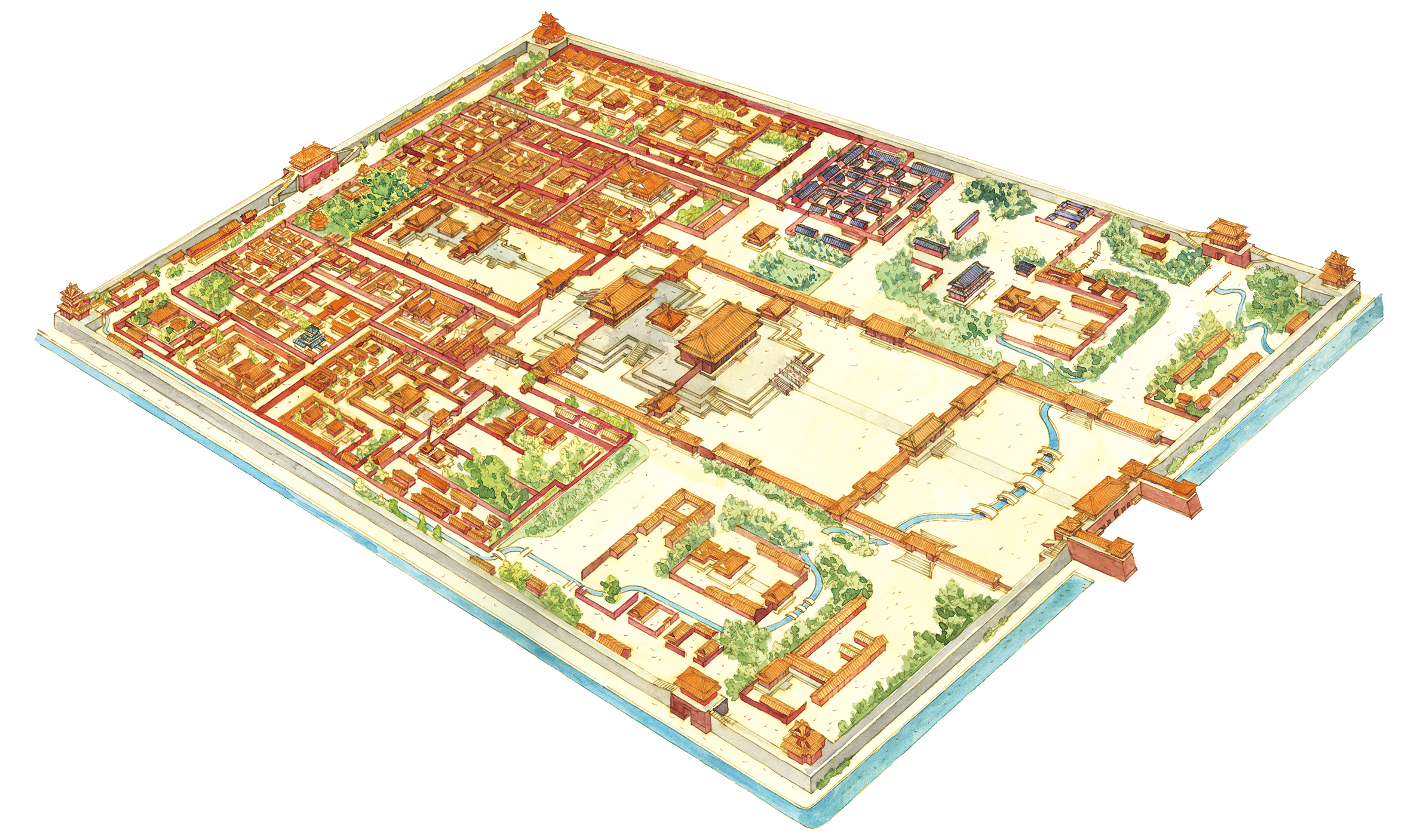
After Zhu Di occupied the capital in Nanjing, he moved the capital of the Ming Dynasty to Beijing and established a grand imperial palace there.
The fourth son lodged a war against the central government. The central government's army was massive and well-supplied, but had no generals with actual combat experience since the generals capable of fight had been killed by the old emperor. No general in the central army had ever personally commanded an army of hundreds of thousands of men. But they still deterred the fourth son's rebels. Later, the fourth son changed his strategy. Instead of fighting against the massive forces blocking him, he bypassed some cities stationed with the central army and went straight across the Yangtze River to attack the capital, Nanjing.
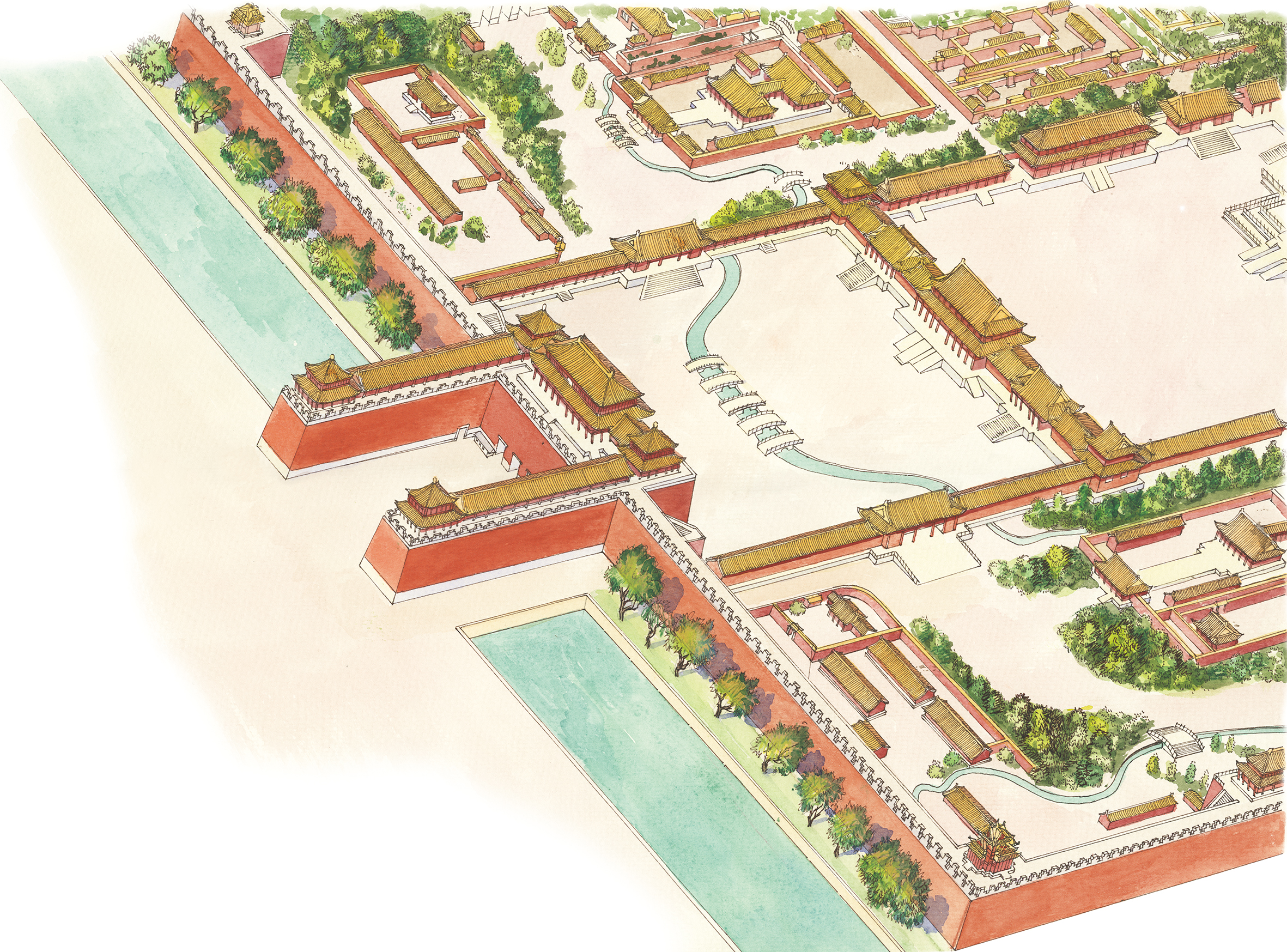
The Beijing Imperial Palace of the Ming Dynasty was built in 14 years. This is the gate of the Beijing Imperial Palace.
Four years later, the fourth son successfully seized the capital. After his entry into the city, the young emperor was nowhere to be seen. The young emperor's disappearance remains a mystery to this day. The fourth son killed all the leading ministers of the central government, their family members, their relatives, their friends, and their students. Soldiers were even told to gang rape female members of ministers' families in front of the ministers.
The fourth son changed the imperial succession path set by his father, the fourth son, becoming the only vassal king in ancient China who succeeded in rebellion. Although it was a coup, it was carried out within the imperial family, so various other forces were reluctant in intervention. The fourth son made himself emperor and ordered historians to rewrite history, recording him as the second emperor of the Ming Dynasty.
The fourth son did so many evil things that he felt unsecure in Nanjing and even dreamed of being killed. Therefore, he decided to return to the place where he had been a vassal king, and re-established the capital in Beijing. The plan to change the capital was confronted with a lot of oppositions, but the fourth son insisted on moving the capital with an iron hand.
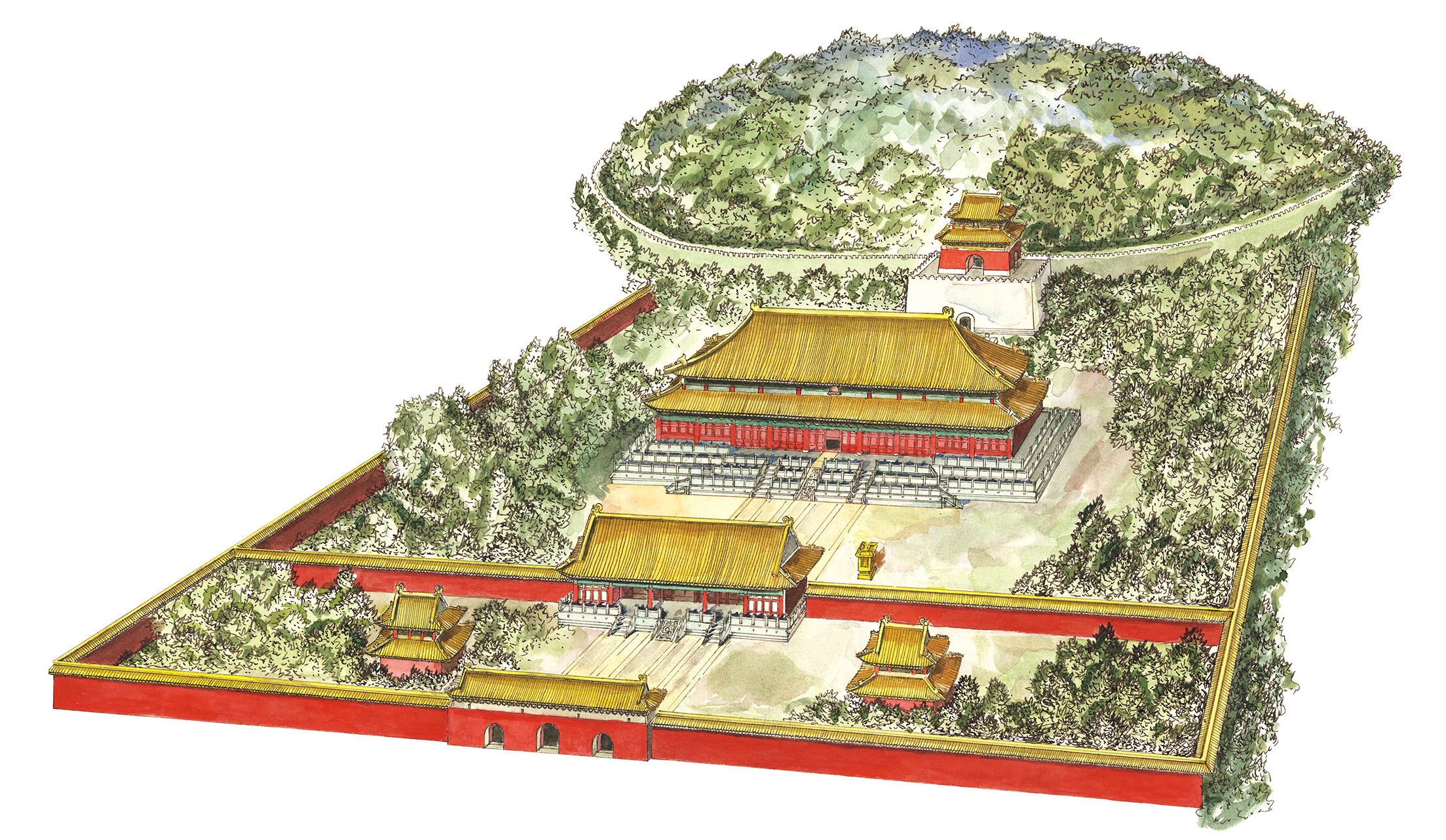
Thirteen emperors' tombs were built in the same area during the Ming Dynasty. The first one is the tomb of Zhu Di.
In 1406, The fourth son ordered the construction of the Imperial Palace in Beijing.
In 1417, the building materials were finally ready and construction of the palace began.
In 1420, the Imperial Palace was built.
In 1421, the fourth son officially ordered the relocation of the capital, and then moved to Beijing with his wife, concubines, children, ministers, troops and civilians.
Since then, the Beijing Forbidden City enjoys a history of over 600 years.
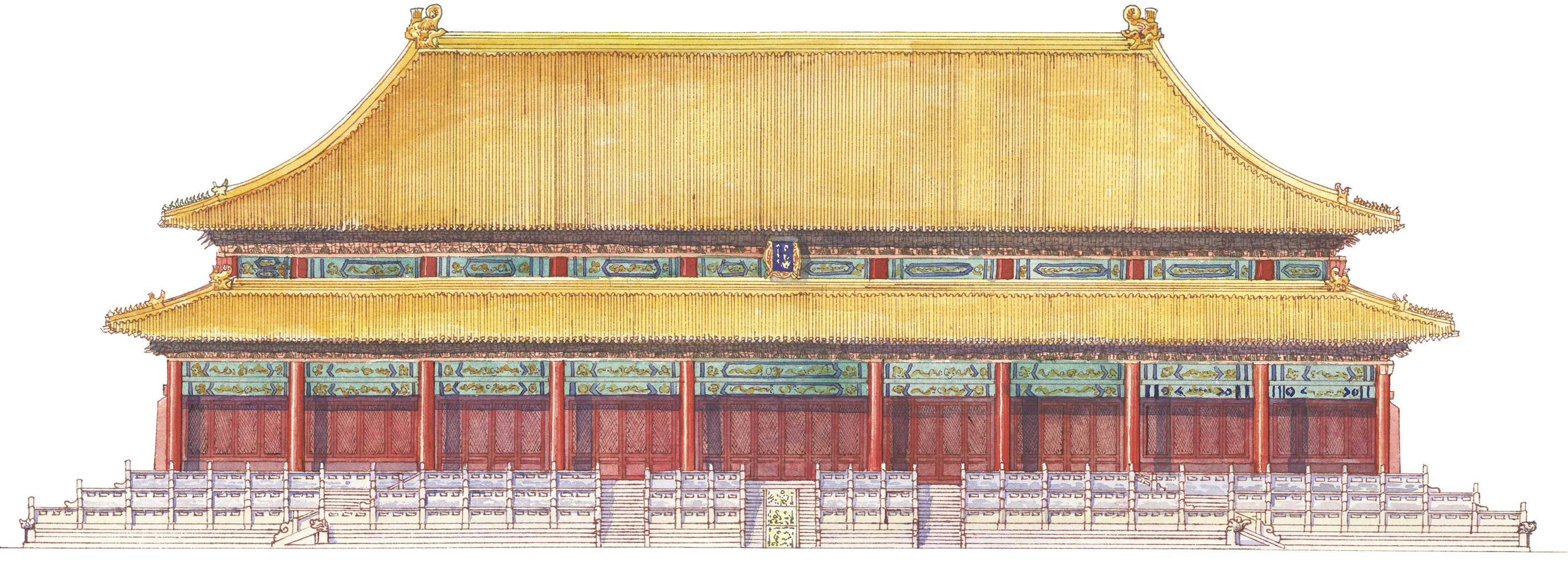
Zhu Di built a tomb for himself in the suburbs of Beijing. This is the sacrificial hall of his tomb.
Author Profile:
Wang Qijun, Professor at the Central Academy of Fine Arts in China. Art historian. Canadian experts invited to work in China.