A garden that attracted emperors’ fourteen visits is Jichang Garden in Wuxi city, which is just over one hundred kilometers from Shanghai.
For most Chinese people, they all know that Chinese private gardens are represented by hundreds of gardens in Suzhou, a city near Wuxi city. However, I want to tell you that one private garden, Jichang Garden that was the best one in China.
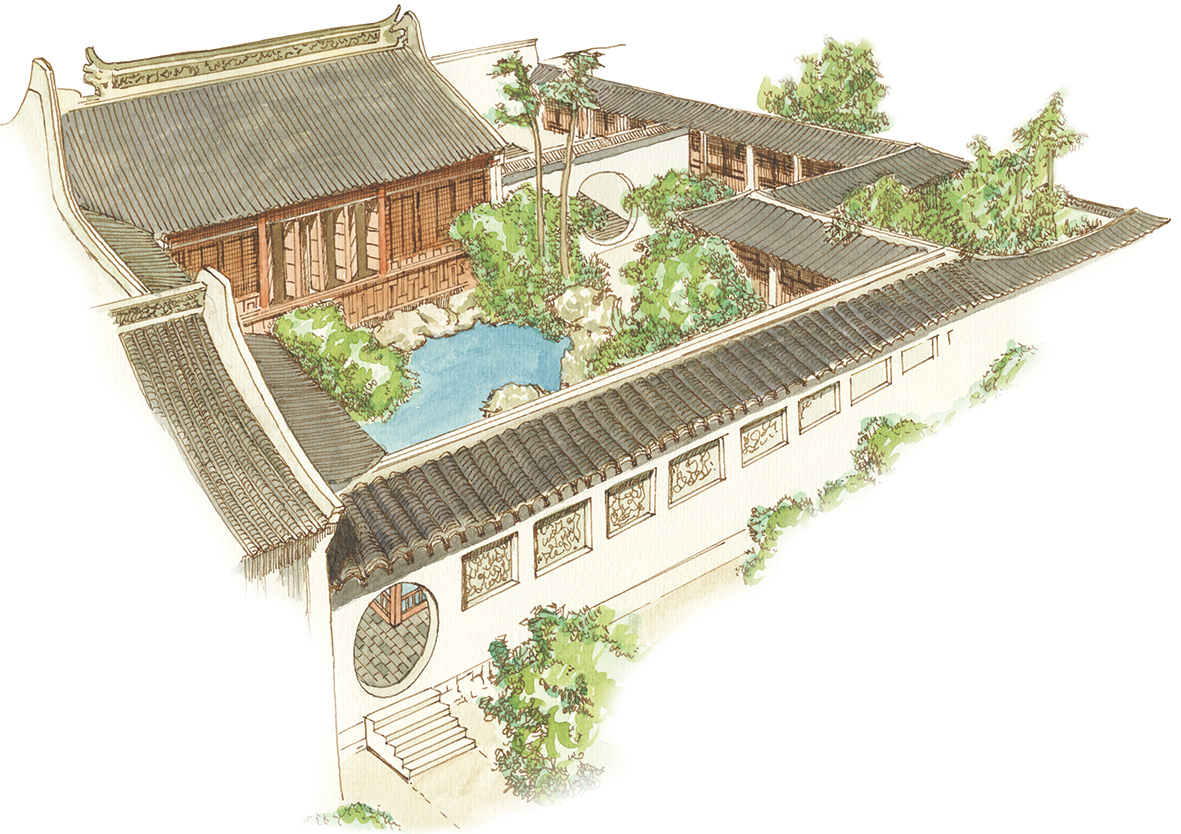
Binglitang is the residential area of the owner of Jichang Garden in Wuxi
In 1520, Qin Jin, a descendant of a well-known scholar, bought a monk's house in Wuxi and began to expand it by building mountains and digging ponds, transplanting flowers and trees to turn it into a private garden.
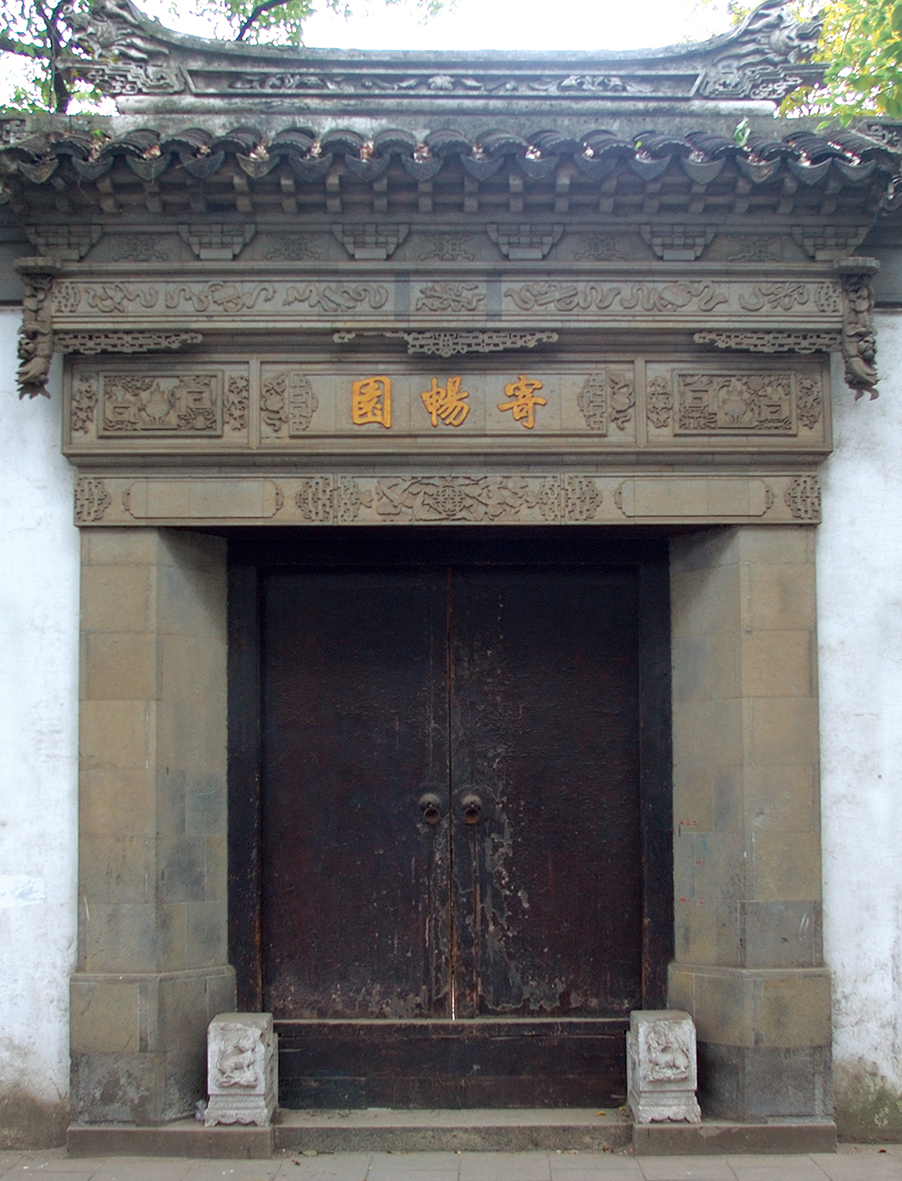
Entrance of Wuxi Jichang Garden
More than a hundred years later, Emperor Kangxi (1654-1722) became the second emperor to enter Beijing. The imperial family of the Qing Dynasty originated from an ethnic group in northern China. Although they ruled China, they admired the Han people, who made up the majority of China's population, and their long history of culture. The south bank of the Yangtze River near Shanghai in east China is called River South. This region has always been a prosperous place with pleasant climate, rich economy and beautiful scenery, which is settled with many literati and wealthy businessmen. Kangxi, who lived in the imperial palace for long, had long been fascinated by River South.
Kangxi was the longest reigning emperor in Chinese history in the past 2000 years. During his 61 years on the throne, Kangxi went to River South six times. Every time, he took a boat along the Beijing-Hangzhou Grand Canal, feeling comfortable and relaxed. On his travels to the south, the local gentry officials showered the emperor with beautiful women, so the accompanying concubines were left behind.
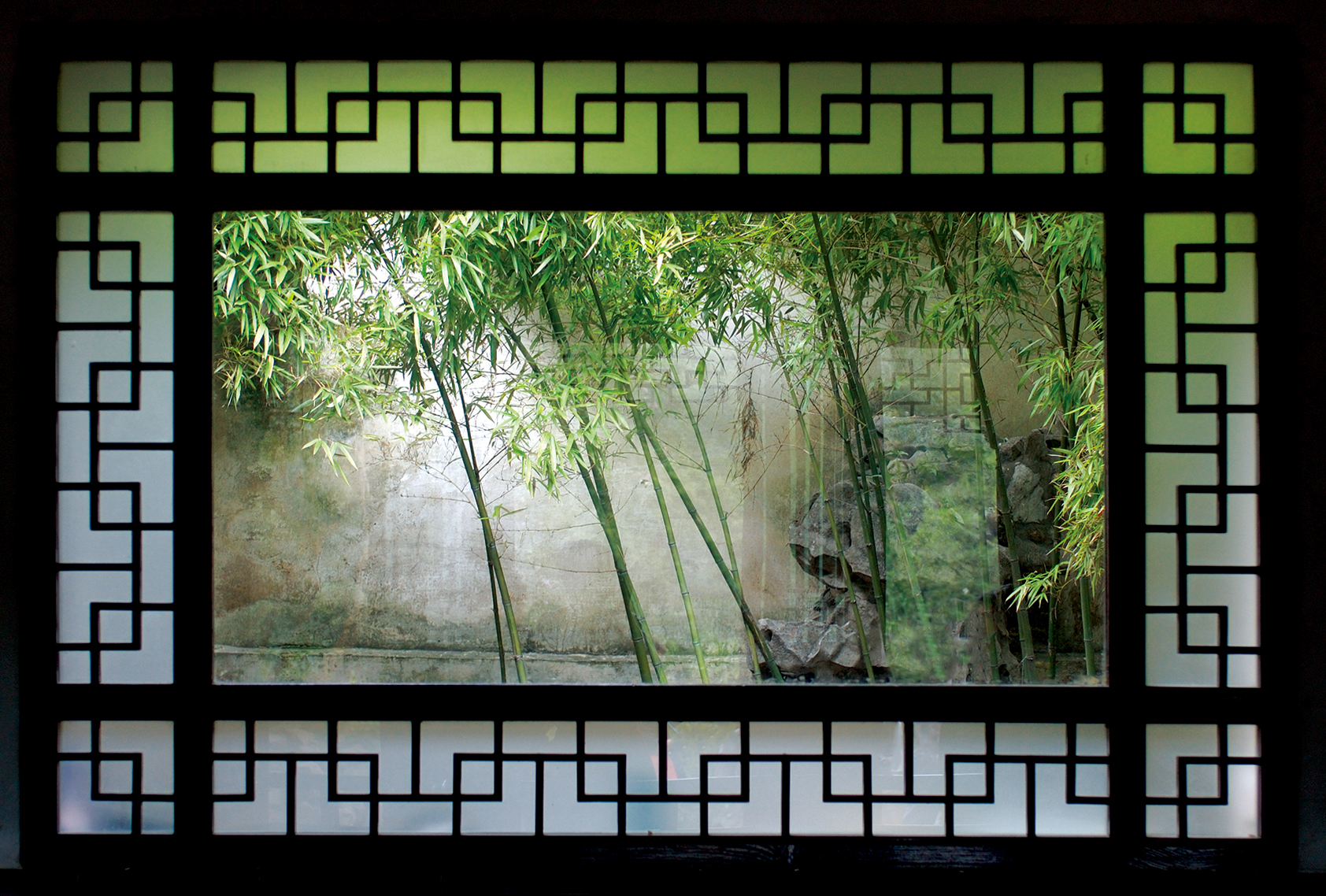
A window in Jiashu Hall, Jichang Garden, Wuxi
Kangxi found Jichang Garden to be his favorite among all the private gardens he had seen, so he visited it seven times. Since the central government of China had no good tax policy at that time, the emperors did not entirely use public funds for entertainment along their travels. Therefore, Kangxi's several visits to Jichang Garden did not bring actual economic benefits to the Qin family, the owner of the garden. The Qin family had to pay for the reception every time, so it was a great burden for the garden owner.
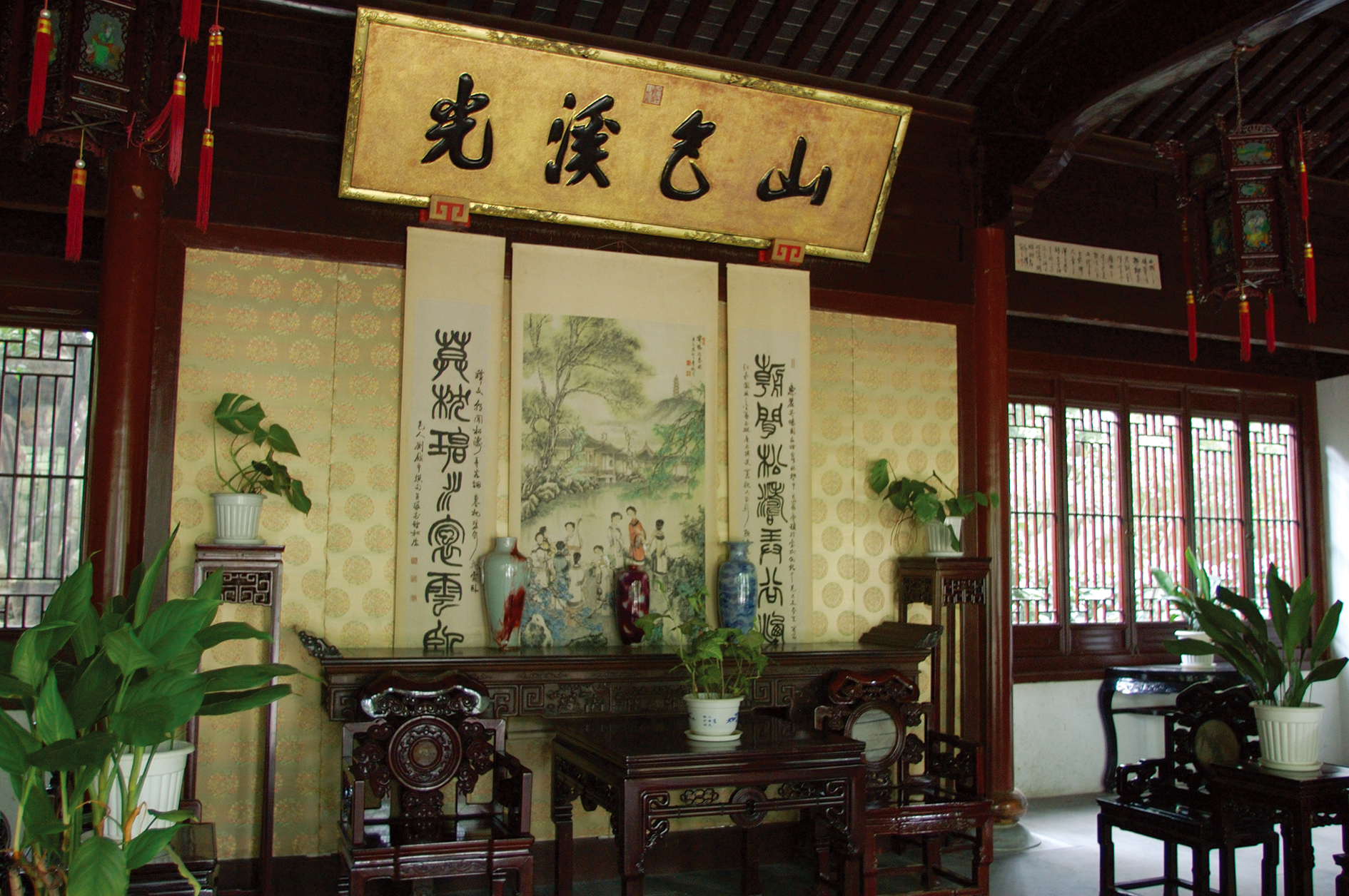
Interior Design of Woyun Hall in Jichang Garden, Wuxi
After Kangxi's death, Yongzheng, who was in poor health, became the emperor. For the sake of his own health, he never left Beijing. During this period, the local officials believed that the emperor would not visit Jichang Garden again, so they fabricated a crime to make trouble for the owner of the garden. The Jichang Garden was confiscated by the Wuxi government. It was not until the reign of Emperor Qianlong (1711-1799) ordered the local officials to return the Jichang Garden to the owner.
Qianlong was an emperor who loved to travel and have fun, seeking lover affairs everywhere. Hearing about the elegance of Jichang Garden, he visited it seven times and was attracted by its design.
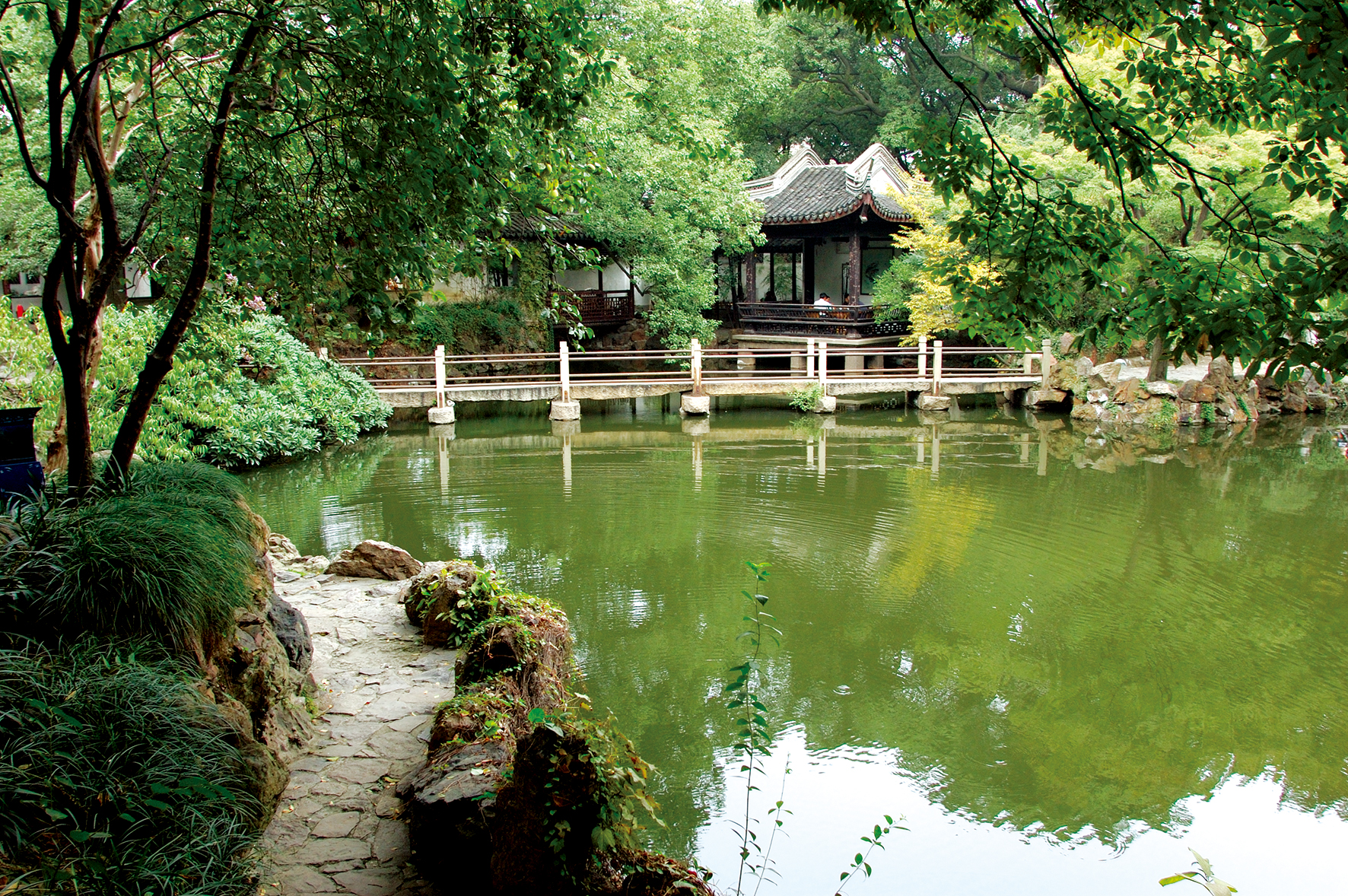
Seven Star Bridge in Jichang Garden, Wuxi
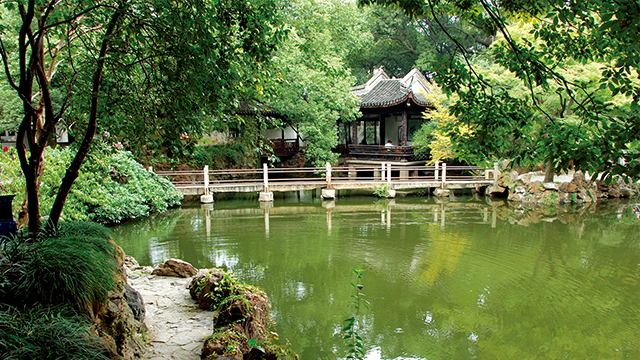
The water source of Jichang Garden is drawn from a place known as "the second spring in the world". As the water enters the garden, it follows a stream flanked by stones into a pond in the center of the garden. The water of this stream, which makes a musical sound as it flows over a stepped stream bed, is called the eight-tone stream. Jichang Garden has an open landscape, from which one can overlook the buildings on Huishan Mountain, a scenic spot in Wuxi.
Qianlong was China's second-longest reigning emperor, reigning for 60 years. In order to seek luxurious life, he asked the accompanying painter to put down the design of Jichang Garden. After returning to Beijing, he spared no expense and ordered designers to build two small gardens for his own enjoyment in Beijing following the model of Jichang Garden, namely Garden of Harmonious Interests in the Summer Palace and Haopujian in Beihai Royal Garden.
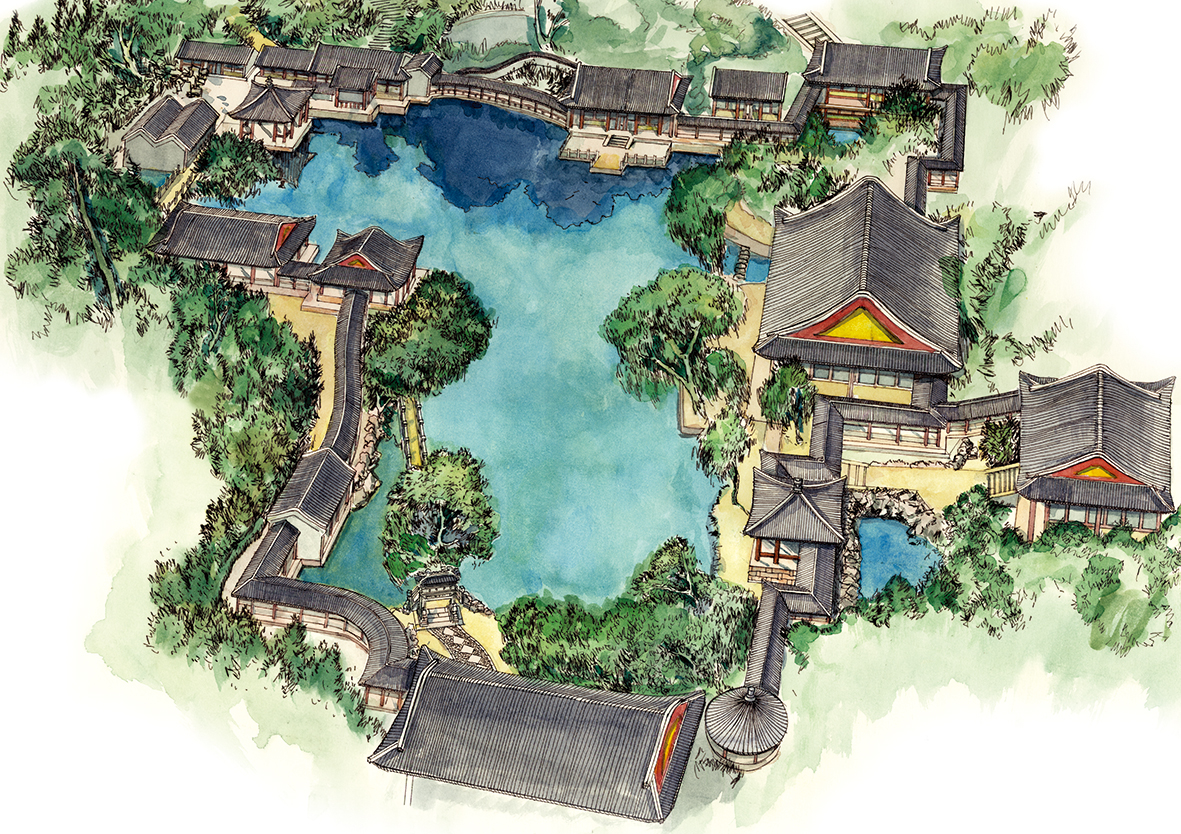
The emperors of the Qing Dynasty liked Jichang Garden, so they asked craftsmen to imitate a small garden called Xiqu Garden in the Summer Palace in Beijing
There are so many gardens in the south of the Yangtze River in China, why can two emperors be attracted by Jichang Garden? I am a professor of the Central Academy of Fine Arts of China. Let me explain this to you. My own feeling is that among so many private gardens in China, no garden is as open as Wuxi Jichang Garden. Famous Suzhou gardens, such as Humble Administrator's Garden and Lingering Garden, are too dense and crowded. Wuxi Jichang Garden has both the small size of a private garden and the atmosphere of a public garden. The emperor lacked neither money nor land, but what he lacked was the exquisite and ingenious design of Jichang Garden.
Author Profile:
Wang Qijun, Professor at the Central Academy of Fine Arts in China, Art Historian, and Canadian Expert Invited to Work in China